Home · Getting Around
Verona's old town fits inside a loop of the Adige, so most days are spent on foot, with a bus from the station, a funicular up the hill and a bike or taxi when legs give out.
On foot
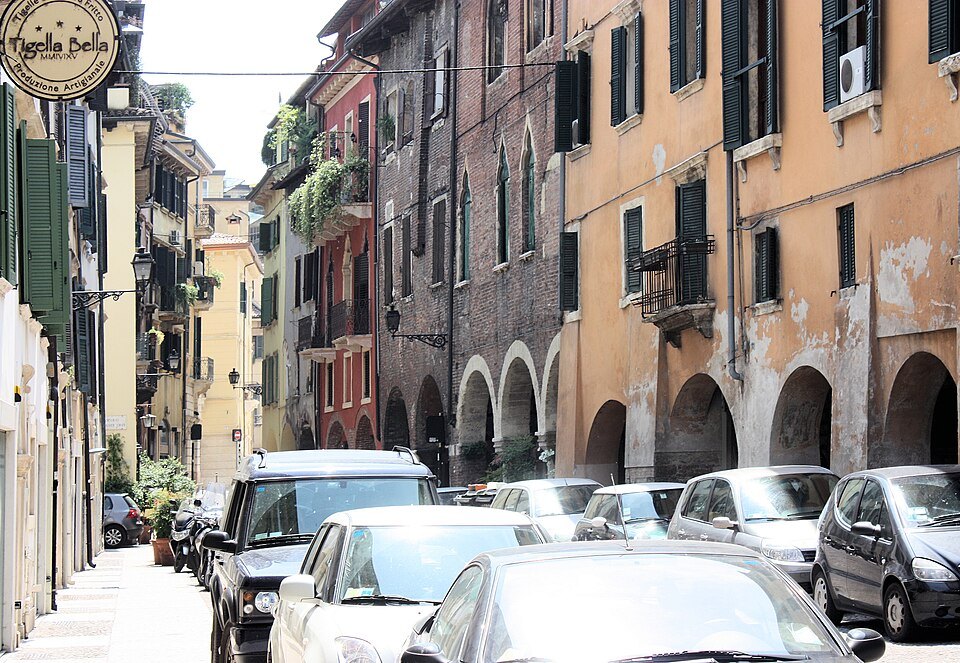
Most sights inside the river loop are a few minutes apart. The walk from Porta Nuova station to Piazza Bra takes around twenty minutes.
City buses
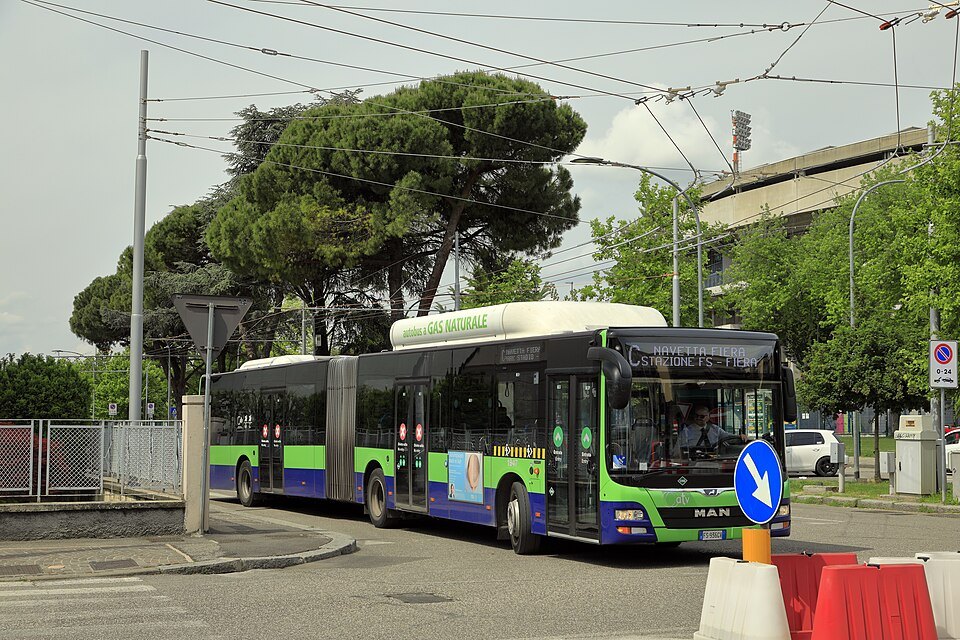
ATV's urban ticket lasts ninety minutes with changes allowed, but it must be validated at every boarding. Several lines link the station with Piazza Bra in about six minutes.
Funicular
An incline lift climbs from Via Fontanelle Santo Stefano, by the Roman Theater, to Castel San Pietro, rising about fifty-five meters.
Bike share
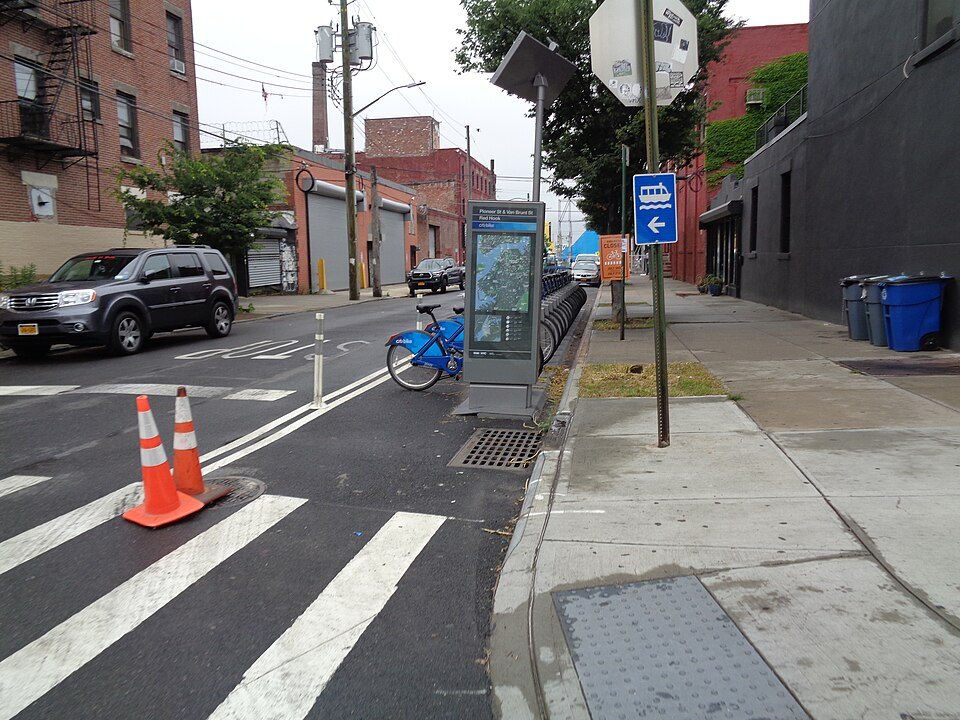
A station-based scheme runs through an app, with rides of up to two hours, and a dockless electric-bike trial began in 2025.
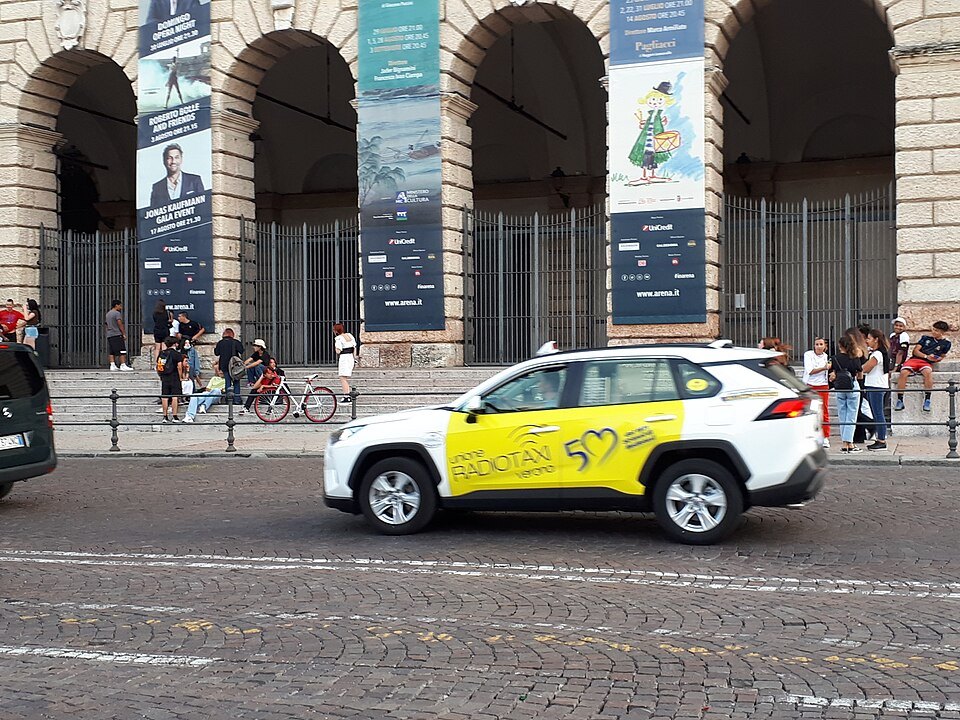
Taxis
Taxis wait at ranks at the station, Piazza Bra, Piazza delle Erbe and other points, or can be booked by phone or online.
A city made for walking
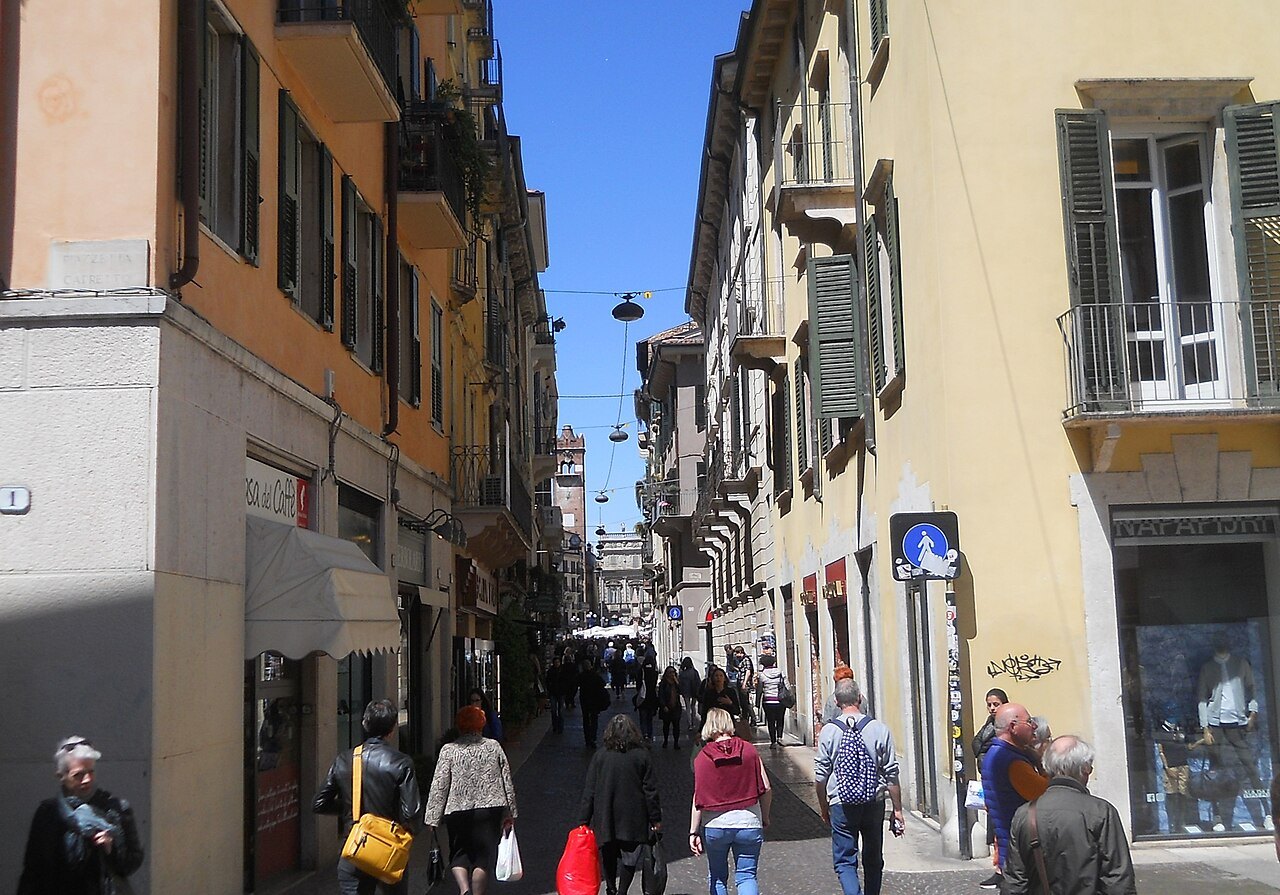
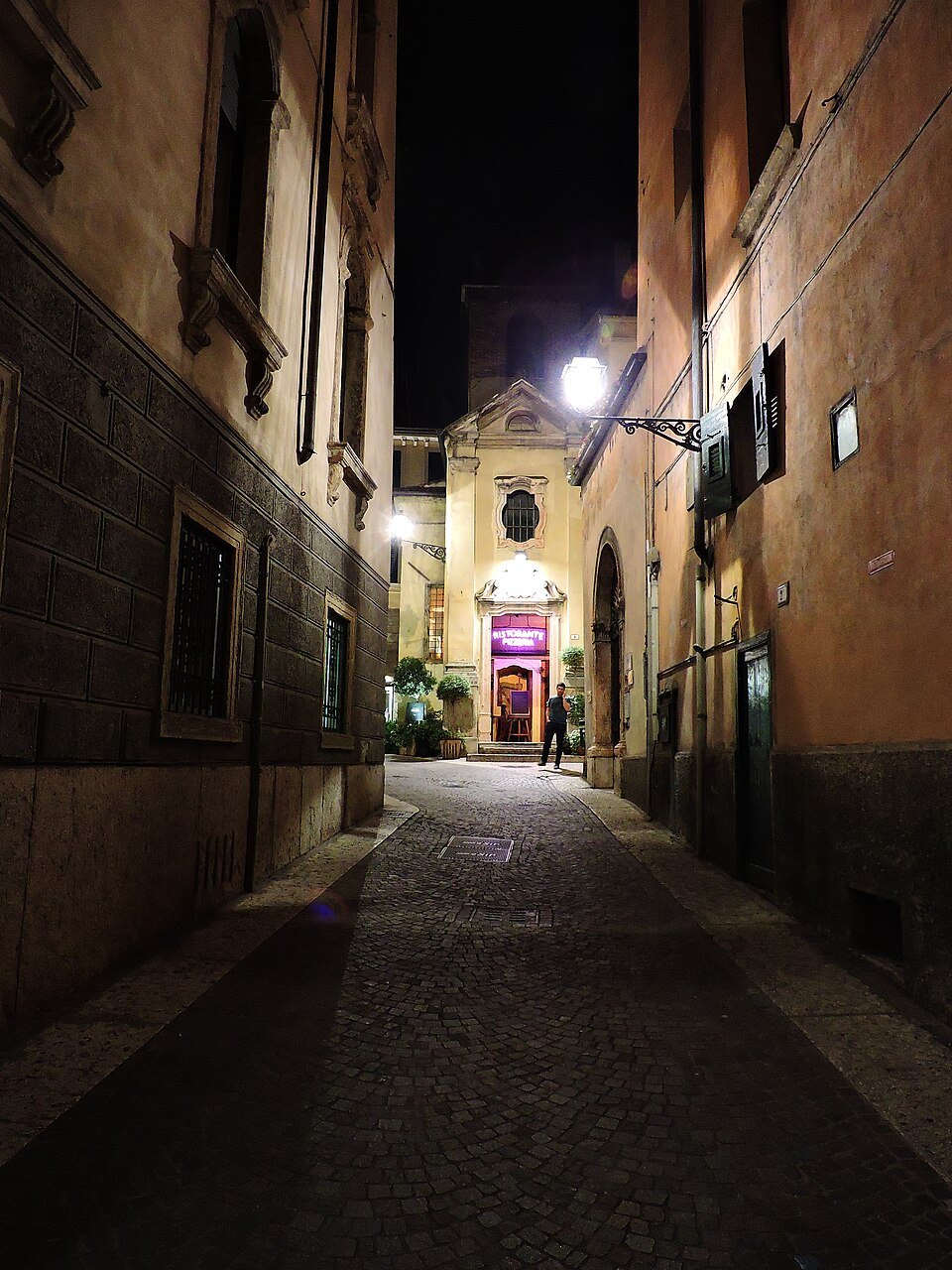
The historic center sits in a tight bend of the Adige, and the traffic-limited zone keeps most private cars out of it. That makes walking the natural way to see the Arena, Piazza delle Erbe, Piazza dei Signori and the churches, which lie a few minutes apart on streets that still follow the grid of the Roman town.
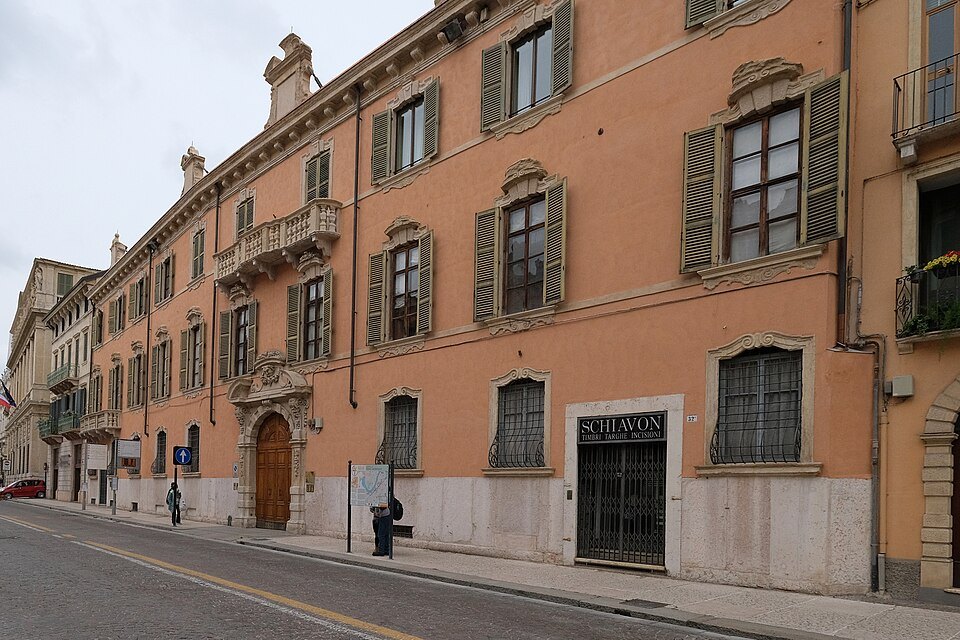
The sights on the far bank are close too. Ponte Pietra leads across to the Roman Theater and the hill of Castel San Pietro, and Giardino Giusti is a short walk beyond. Going west, the riverside route toward Castelvecchio and the Basilica of San Zeno is the longest of the everyday walks, roughly a quarter of an hour from the center, according to one travel guide.
Note The one walk that surprises people is the first. Porta Nuova station lies south of the old town, and the walk to Piazza Bra takes around twenty minutes, straight up Corso Porta Nuova; to Juliet's House it is closer to half an hour. With luggage, the bus or a taxi is the easier start.
Some links on this page are affiliate links. If you book through one we may earn a commission, at no extra cost to you. It does not affect what is recommended here, and no sight page on this site carries one.
Luggage storage near the station and the old centre, and mobile data for maps and bus tickets.
City buses and how tickets work
The urban and regional buses are run by ATV, the Verona transport company. Several lines run from the stops outside Porta Nuova station to Piazza Bra in about six minutes, and the network then spreads out to the neighborhoods beyond the river and the walls.
The standard urban ticket is valid for ninety minutes after it is first validated, and changes between buses are allowed within that time. The rules require validating on every boarding, including each change. There are also carnets of ten tickets, a day ticket valid for twenty-four hours from first use, a group ticket for four people traveling together and a cheaper ticket limited to off-peak periods.
Tickets are sold at authorized sales points and through the Ticket Bus Verona app. On board, the red validators read the QR codes on tickets, and ATV says they also let passengers buy a trip by tapping a contactless bank card. A ticket bought from a ticket machine on board is good for one trip only, with no changes. The Verona Card, a timed sightseeing pass, includes city buses, but it too must be validated each time.
The funicular to Castel San Pietro
Castel San Pietro stands on the hill also called Monte Gallo, looking straight down on the river and the old town. The climb is short but steep, and since 2017 an incline lift has done the work: the funicular rises about fifty-five meters from its lower station in Via Fontanelle Santo Stefano, close to the Roman Theater.
The line has a long history. It was designed in 1939 and ran from 1941 until 1944, when the war closed it, and then stood abandoned for decades before a refurbishment brought it back into service in June 2017. A single cabin carries up to twenty-five people, and Wikipedia notes an intermediate stop on the way up.
The hill at the top has been occupied for a very long time: the operator lists temples, the palaces of rulers including Theodoric the Ostrogoth, and the neo-Romanesque Austrian barracks built there between 1854 and 1856. The funicular was first planned to serve students of the Fine Arts Academy. The ride is short and has its own fare; check the operator's site for opening times, then walk down afterward toward Ponte Pietra.
Bike share
Verona has had a station-based bike-sharing scheme since March 2012, run for the city with docking stations at strategic points. It works through an app: register, find a station with bikes on the map, unlock one, and return it to any station with a free slot, where the app confirms the end of the trip. A single ride can last at most two consecutive hours.
In July 2025 the city's mobility company added a dockless trial of up to five hundred electric-assist bikes, rented through an operator's app and planned to run for a year. The bikes are limited to twenty-five kilometers an hour, with a slower beginner mode. Inside the historic center these bikes can only be left in marked bays, while elsewhere they can be parked more freely, so check in the app whether the trial is still running and where to leave the bike.
Bicycles are allowed in the traffic-limited zone. Inside the loop the distances are short enough that a bike saves little time, so it is most useful for longer hops along the river or out to the neighborhoods.
Taxis
Taxis are picked up at ranks or booked. The local radio-taxi cooperative lists ranks at Porta Nuova station, Piazza Bra, Piazza delle Erbe, Via Diaz, Castelvecchio and San Zeno, as well as at the airport, the Porta Vescovo station, the hospitals and the trade fair grounds.
Away from a rank, a taxi can be booked by phone, by text message or online through the cooperative. Taxis are the practical answer for heavy bags, late trains or a ride out to accommodation beyond the river; for short hops inside the loop, walking is usually just as quick.
Linking up with trains and the airport
The airport shuttle bus, line 199, runs between the airport and the bus station in front of Porta Nuova in about fifteen minutes, and it takes contactless payment on board. Coaches and regional trains also start from the station area, so the station works as the hub for day trips as well as arrivals.
For the airport, the trains from Venice, Milan, Bologna and the Brenner, and the traffic-limited zone for anyone arriving by car, see getting here.