Home · Itineraries
Three plans for Verona, built around the rhythms that decide a day here: a weekly museum closing, church mornings kept for worship, and an Arena that doubles as a stage.
One day
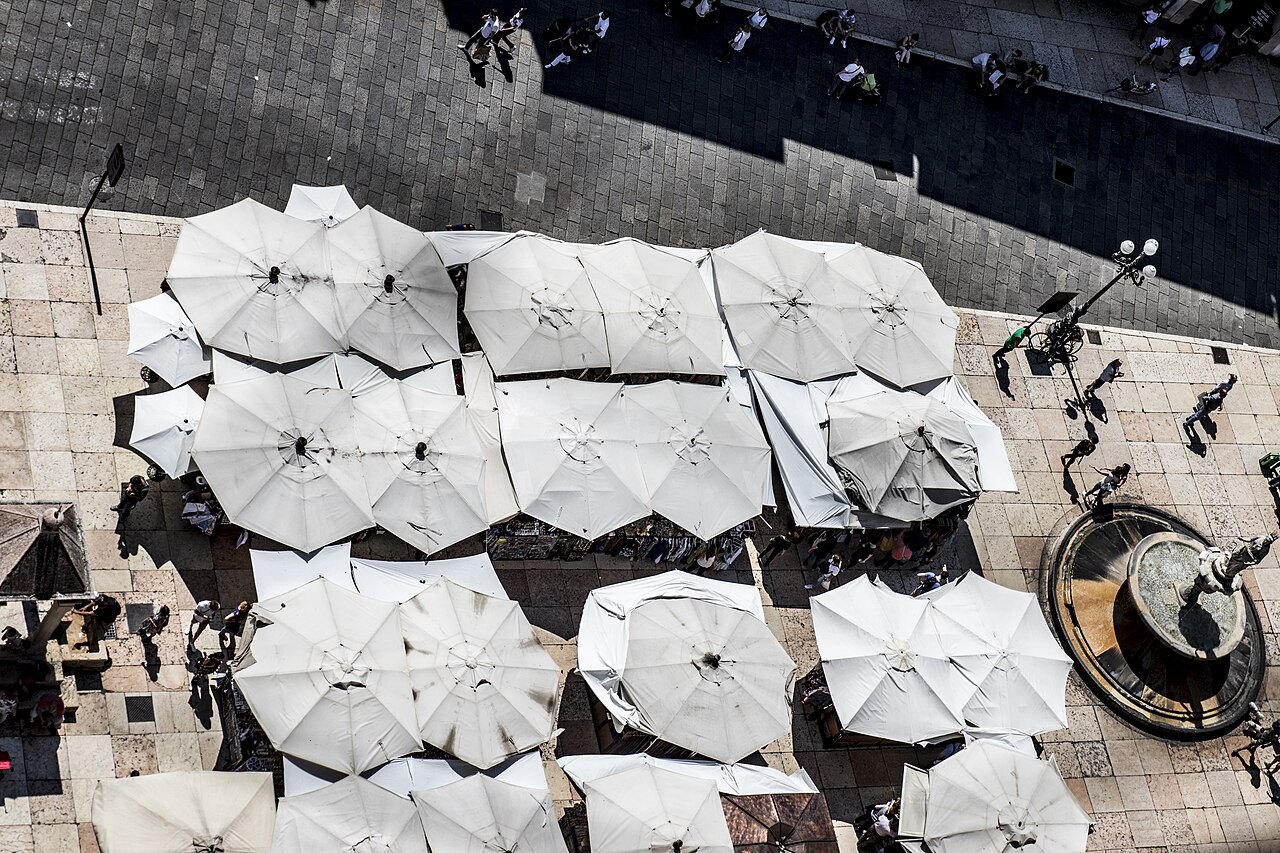
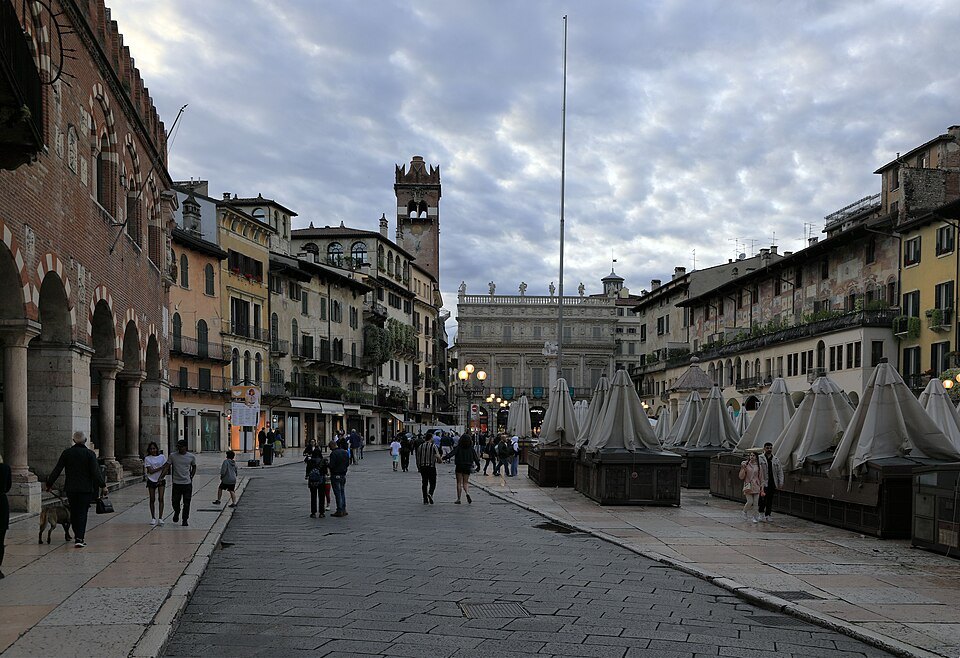
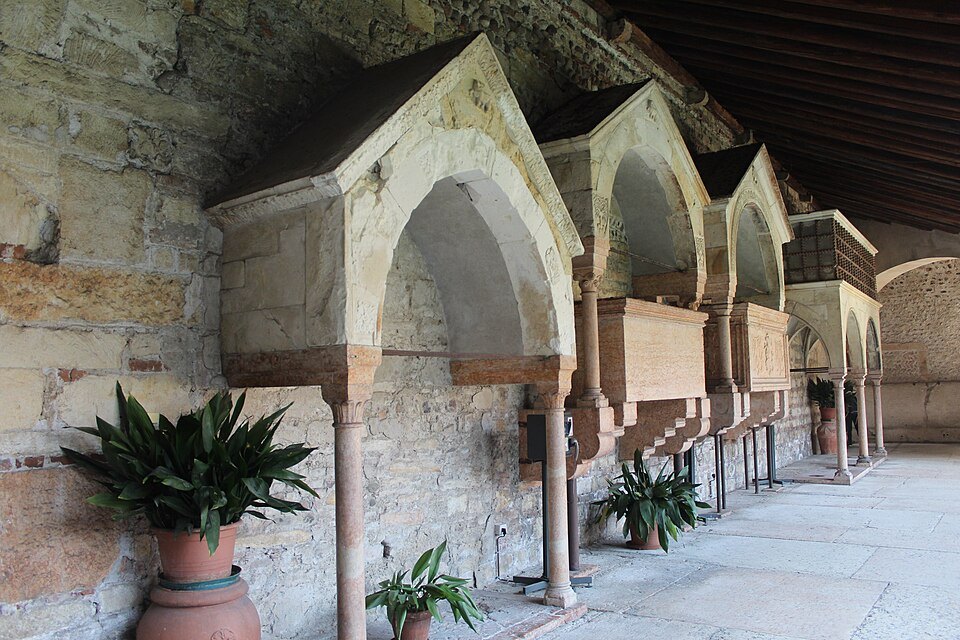
- MorningStart inside the Arena before its hours can change for an evening performance, then cross Piazza Bra and walk into the old town to Piazza delle Erbe, Piazza dei Signori and the tombs of the Arche Scaligere, seen through their grilles.
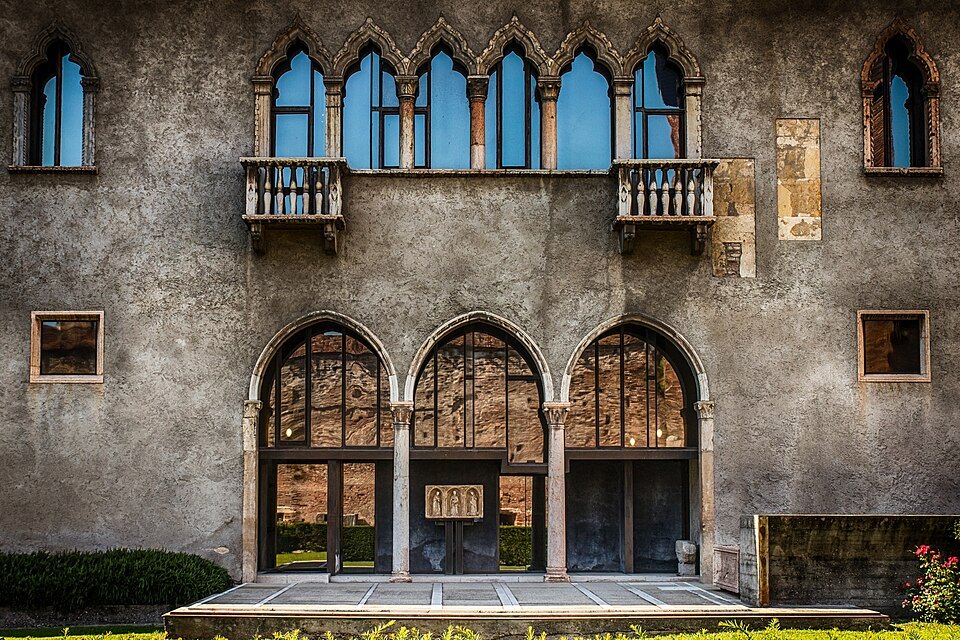
- AfternoonKeep the booked slot at Juliet's House, climb or ride up the Torre dei Lamberti, then walk past Sant'Anastasia and across Ponte Pietra to the Roman theater.
- EveningTake the incline lift to Castel San Pietro for the view over the river loop, then walk back across the bridge for dinner and, in summer, a performance in the Arena.
Two days
- Day one, morningVisit the Arena early, then Piazza Bra and a slow walk to Piazza delle Erbe, the market square on the site of the Roman forum.
- Day one, afternoonPiazza dei Signori, the Arche Scaligere, the Torre dei Lamberti and a booked visit to Juliet's House, all within a few streets of each other.
- Day one, eveningAn aperitivo in the squares and, in the festival season, an opera in the Arena; outside it, dinner and a walk along the river.
- Day two, morningAvoiding the civic museums' weekly closing day, walk to Castelvecchio and its museum, then follow the river west to San Zeno; on the churches' afternoon-only day, reverse this half with the afternoon.
- Day two, afternoonWalk back through the Roman gate of Porta Borsari to the Duomo and Sant'Anastasia, then cross Ponte Pietra to the Roman theater.
- Day two, eveningRide the incline lift to Castel San Pietro for the last light over the city, then return across the river for dinner.
Three days
- Day one, morningThe Arena early in the day, then Piazza Bra and the walk to Piazza delle Erbe.
- Day one, afternoonPiazza dei Signori, the Arche Scaligere, the Torre dei Lamberti and a booked slot at Juliet's House.
- Day one, eveningOpera in the Arena in summer, or an aperitivo and dinner around the squares.
- Day two, morningCastelvecchio and its museum, avoiding the museums' weekly closing day, then along the Adige to San Zeno if its visitor hours allow.
- Day two, afternoonPorta Borsari, the Duomo and Sant'Anastasia, then over Ponte Pietra to the Roman theater and its archaeological museum.
- Day two, eveningThe incline lift to Castel San Pietro at dusk and a slow walk back over the bridge.
- Day three, morningThe house-museum of Palazzo Maffei on Piazza delle Erbe and the Roman remains under Corte Sgarzerie, or a day trip on the museums' closing day.
- Day three, afternoonCross the river to the terraces, cypresses and maze of Giardino Giusti, or any sight a closure pushed out of the first two days.
- Day three, eveningA last walk through the lit squares and along the river, with dinner built around the dishes of the Veronese kitchen.
Plans built around the timetable
Verona is compact. Its main sights cluster inside the loop of the Adige and on the hill just across it, and a visitor can walk between any two of them. What shapes a good day is less distance than timing: which doors let visitors in, which need a booked slot, and which change their hours for a performance or a service.
The plans below follow those rules without tying them to particular weekdays, because the details shift through the year. Treat each morning and afternoon as a block that can be swapped with another when a museum is shut or a church keeps visitors out. The four groups of sights are described on the sights page.
Each block assumes an unhurried pace, with time to sit in a square. Anyone who wants more can add a museum; anyone flagging in the heat can drop one without losing the shape of the day.
What shuts when
Note The city's civic museums, including Castelvecchio and the archaeological museum at the Roman theater, close one day a week. Before fixing dates, look up that day on the museums' own site and move the museum blocks around it. Holidays can bring special openings as well as closures.
The Arena is a monument and a theater at once. On performance days its visiting hours change to make way for the evening, so visit it early in the day or on a day without a show. The Roman theater also hosts summer performances, and its hours can shift in the same way.
Four historic churches, San Zeno, the Duomo, Sant'Anastasia and San Fermo, share a visitors' ticket. On the main weekly day of Mass and on religious holidays they receive visitors only in the afternoon, so on that day put the squares and museums in the morning. Juliet's House is entered only with a booked slot, so fix that time first and build the day around it.
One day
A single day covers the core: the Arena, the medieval squares, Juliet's courtyard and the view from the hill across Ponte Pietra. It starts at the Arena because the amphitheater is the sight most likely to change its hours later in the day, and it ends on the hill because the light and the view reward the climb in the late afternoon.
The day is long on foot but short in distance. The Arche Scaligere are seen from the street through their iron grilles, which saves time, while the Torre dei Lamberti offers 368 steps or a paid lift to its terrace. The incline lift from the riverside to Castel San Pietro saves the steepest part of the final climb. In summer, keep an hour free in the middle of the day for shade and lunch rather than pushing on through the heat.
Two days
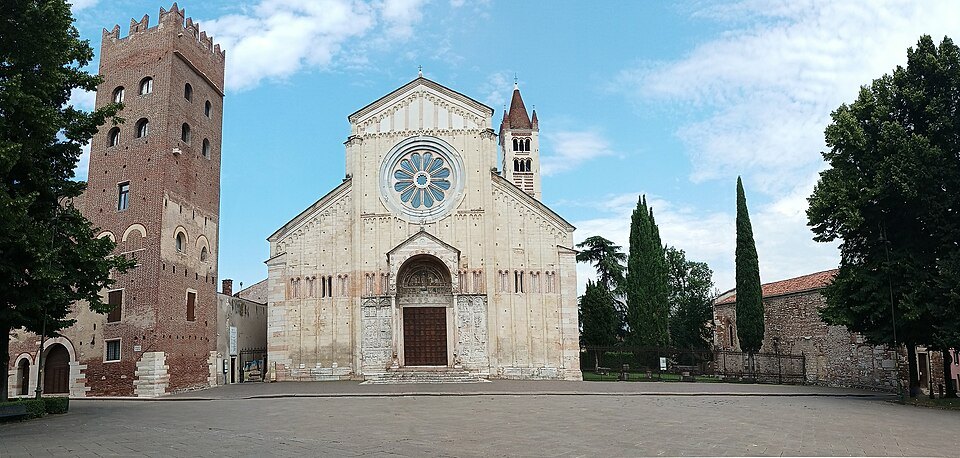
A second day adds the western side of the city and the churches. Castelvecchio's museum and San Zeno sit along the river to the west, and the Duomo and Sant'Anastasia at the other end of the old town, so the second day crosses the whole loop.
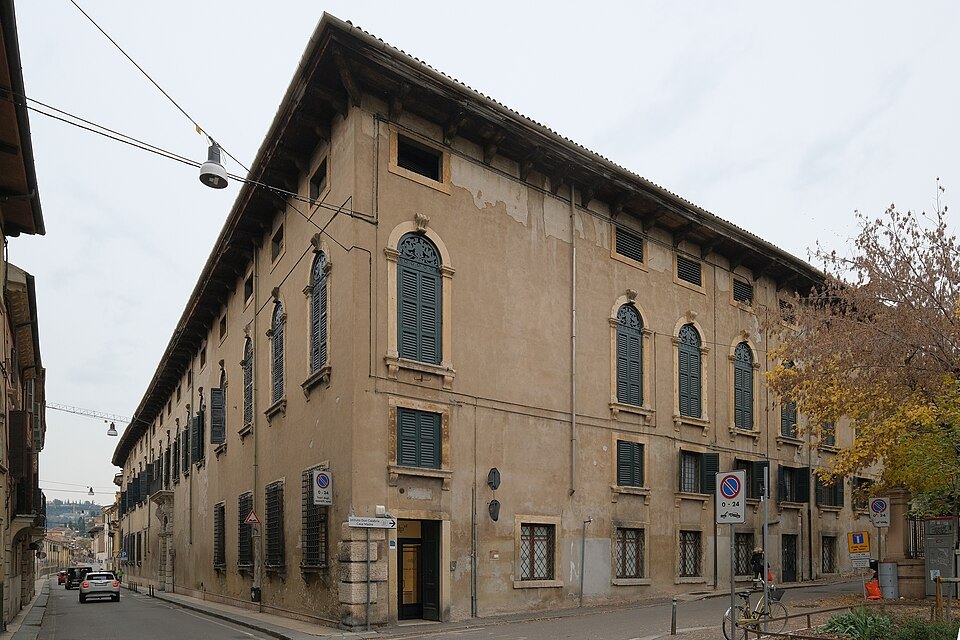
Put Castelvecchio on a day the civic museums receive visitors and San Zeno on a day when its visitor hours are not limited to the afternoon. If the two days include the church association's restricted morning, give that morning to the Roman gates and the squares instead. A booked opera evening fits best at the end of the first day, leaving a slower start the next morning.
Three days
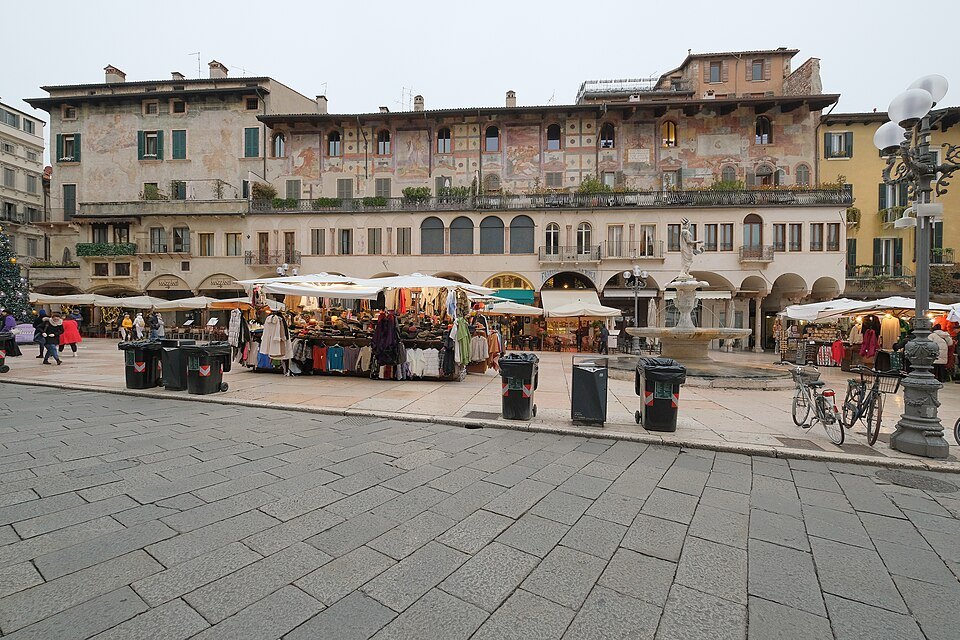
A third day allows for the quieter sights and for depth. Palazzo Maffei's collection, Giardino Giusti's terraces and maze, the Roman remains under Corte Sgarzerie and the Roman city explained on the Roman Verona page all reward an unhurried visit that the first two days cannot give them.
Three days also make a day trip possible without losing the city. Lake Garda, the Valpolicella hills, Vicenza, Padua, Venice and Mantua are each within about an hour; see day trips. A trip works best on the day the civic museums close, when Verona itself has less to offer indoors.
Moving between the groups
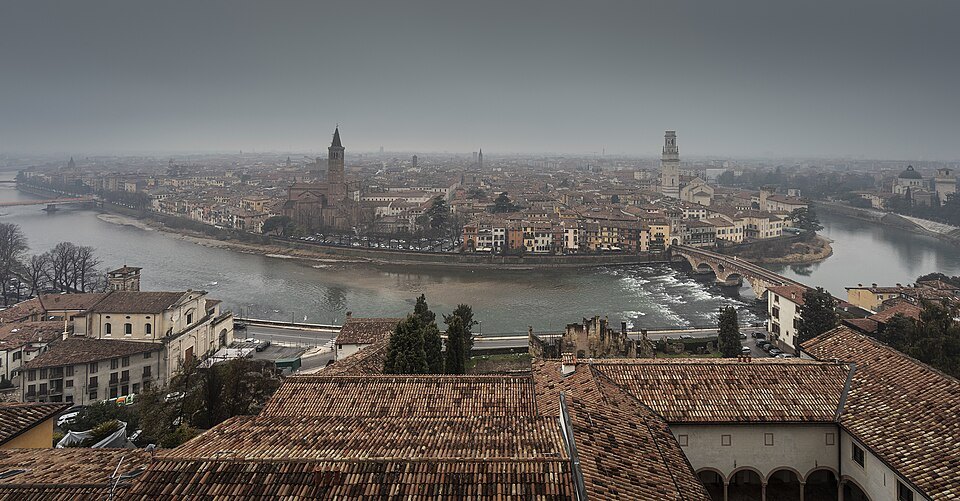
Walking is the default. The loop of the Adige is small enough that the Arena, the squares and the bridges lie within a short stroll of each other, and the river frames every route. The two longer walks are west to San Zeno and up the hill across Ponte Pietra, and both are pleasant in the cooler hours.
The incline lift to Castel San Pietro, rebuilt from a funicular that ran only briefly in the 1940s, is about 180 meters long and climbs some 55 meters in a single small cabin, so a short wait is possible at busy times. City buses help on tired legs, and the VeronaCard includes them for the 24 or 48 hours it runs, starting from its first use at a museum or on a bus.
Pace, heat and late nights
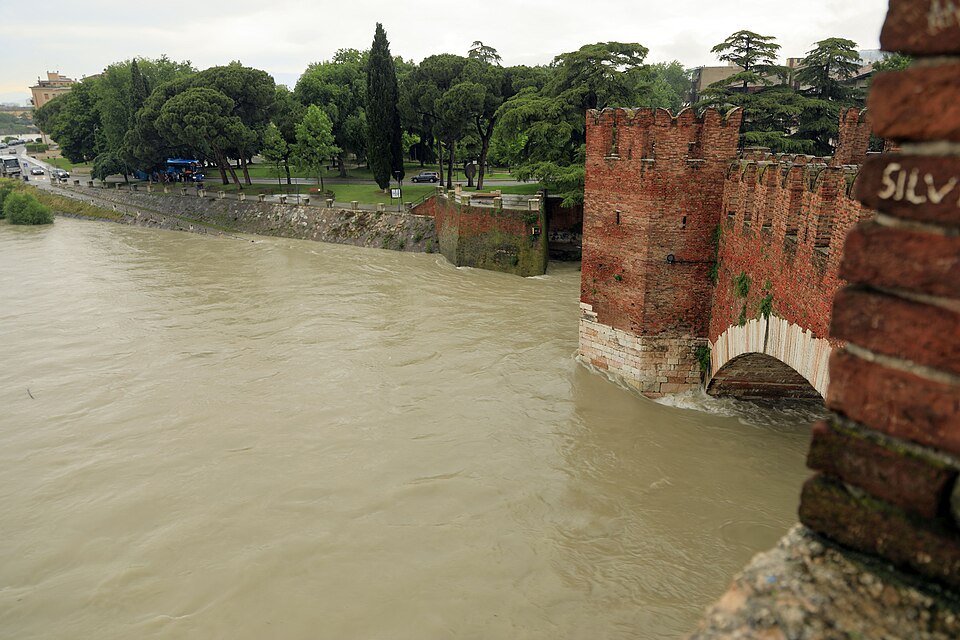
Summer changes the order of things. July and August average highs around 30°C (86°F), so the plans put walking in the morning and late afternoon and the museums in the middle of the day. Opera evenings run very late; after one, start the next day gently. For the months and their crowds, see when to come.
Winter works the other way. Days are short, fog can linger into late morning, and the light goes early, so the hill and the river views belong to the middle of the day and the museums and churches to the darker late afternoons. Performances move indoors to the Teatro Filarmonico; see the opera season.
For timed entries, the combined card and what needs a reservation, see booking ahead. For buses and the incline lift, see getting around, and for regional dishes to plan meals around, eating and drinking.