Home · The Sights
Verona's seventeen main sights fall into four compact groups, from the Arena and the squares inside the river loop to the hill across Ponte Pietra and the churches to the west.
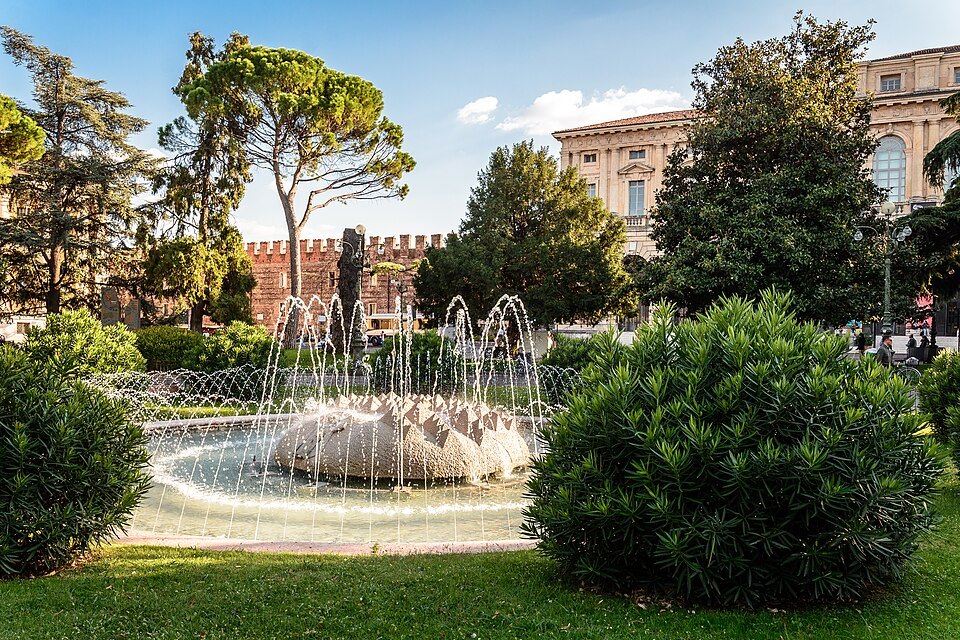
The Arena and Piazza BraAt the southern edge of the old center
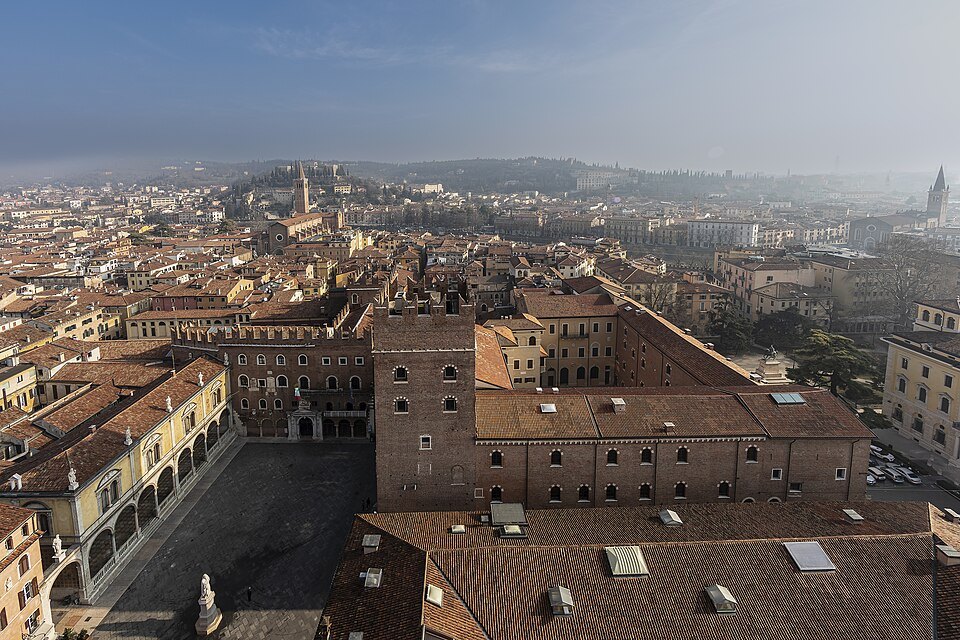
Inside the loopThe Roman grid and the Scaliger squares
Over Ponte PietraThe far bank and the hill
West along the AdigeThe castle and the basilica
Four groups, one river loop
Almost everything a first-time visitor comes for lies inside or just beside the tight loop the Adige makes around the old town, the same loop the Romans chose for their city. The distances are short, and the sights group themselves naturally into four walks. Deciding which to enter, rather than which to reach, is the real choice.
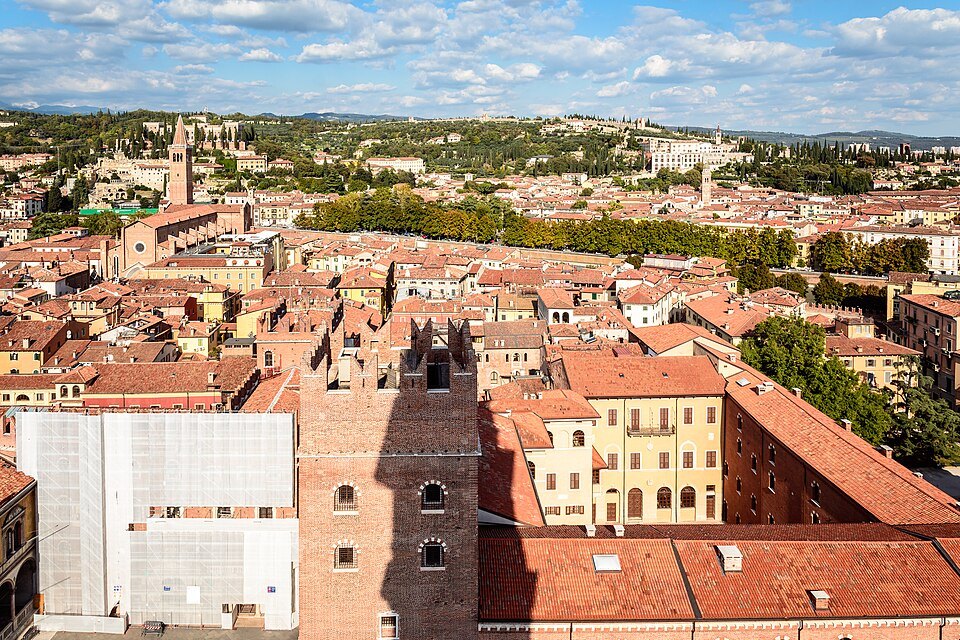
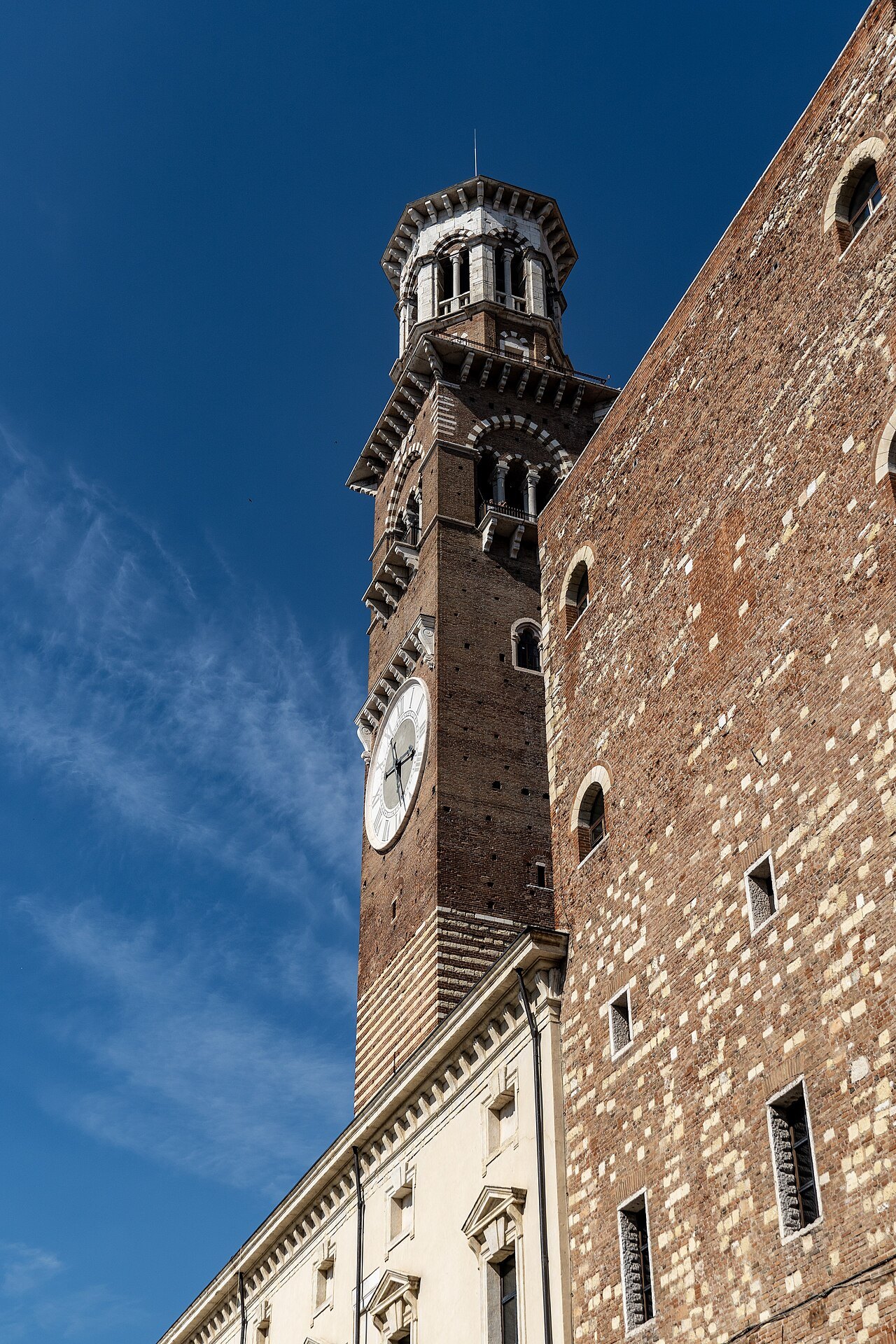
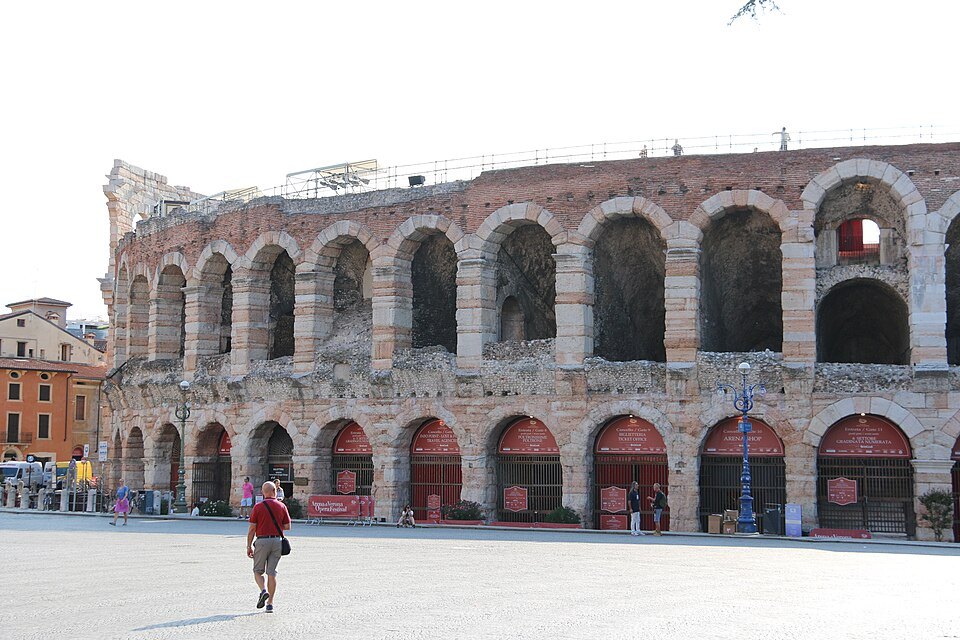
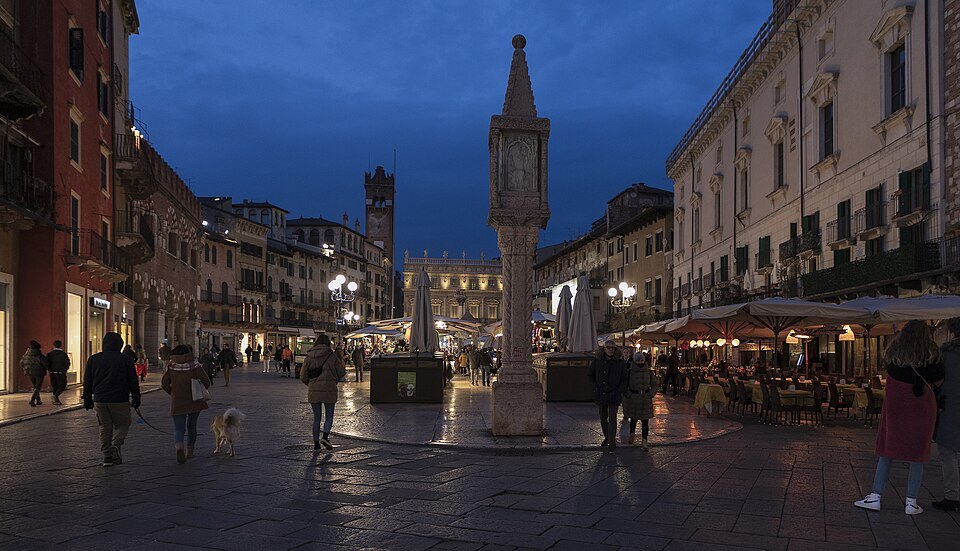
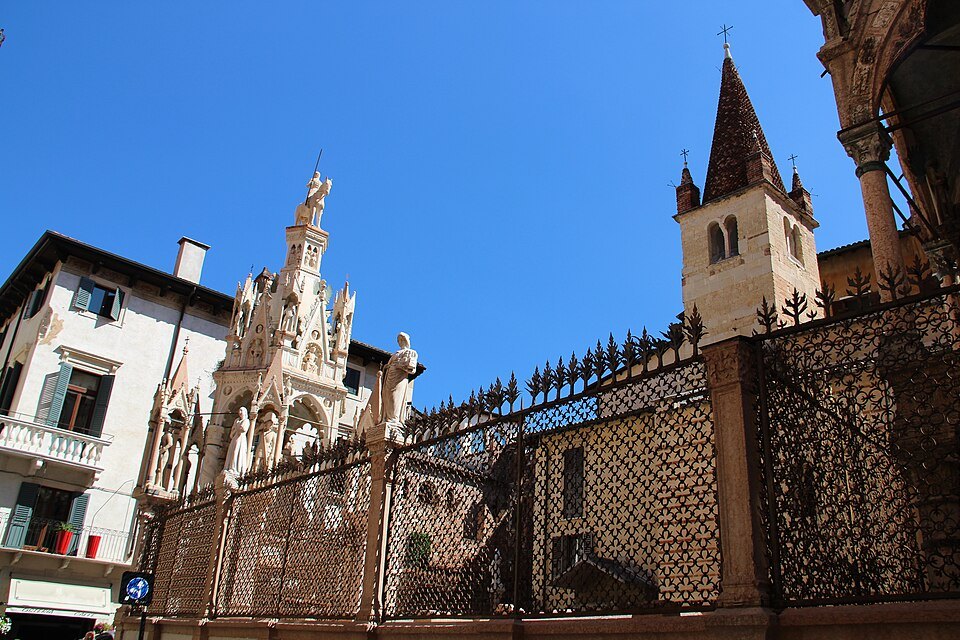
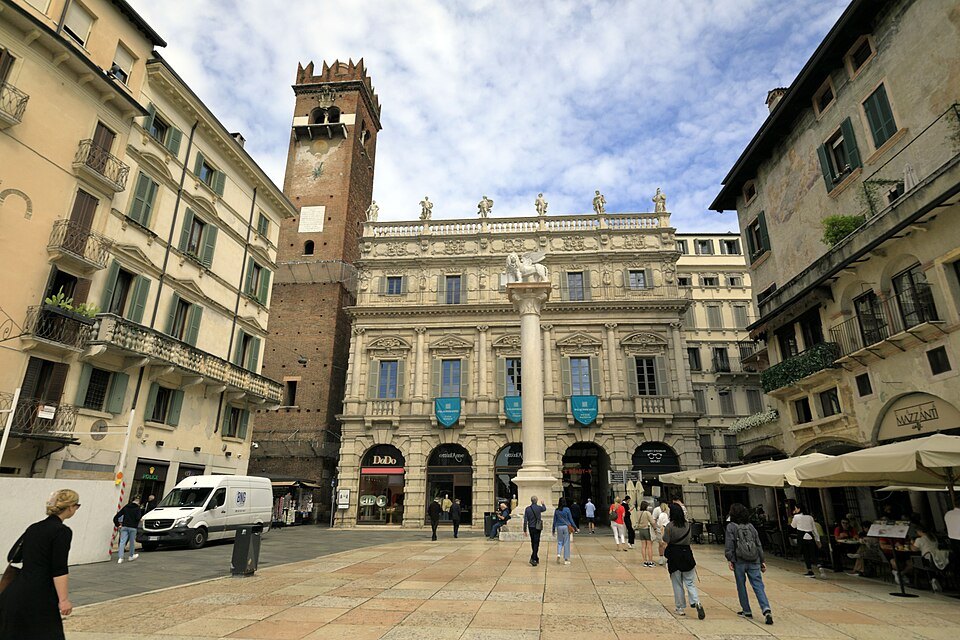
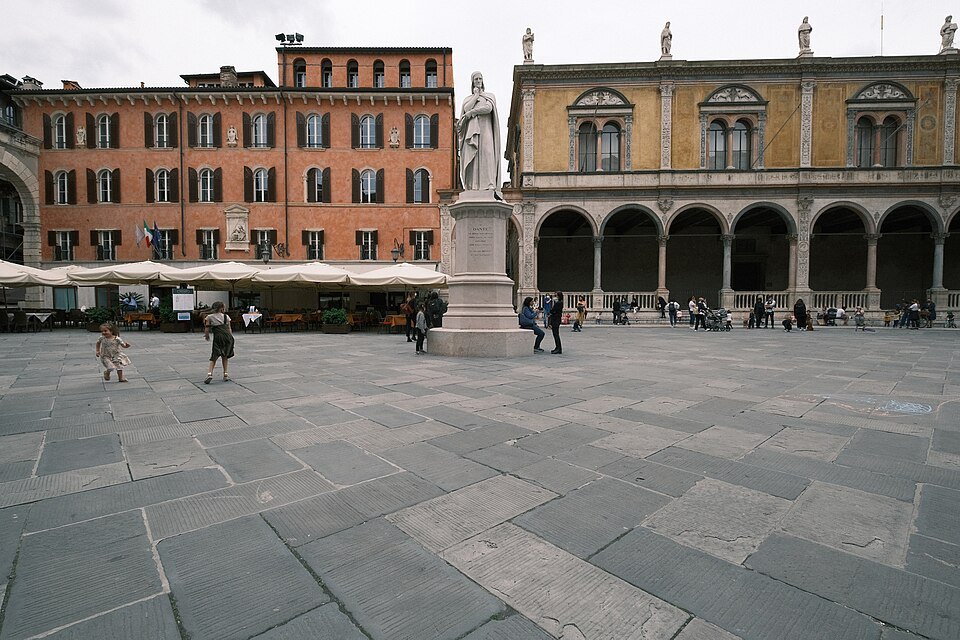
The first group is the Arena and Piazza Bra, the amphitheater and the broad square in front of it. The second, and largest, is the medieval core inside the loop: Piazza delle Erbe on the site of the Roman forum, Piazza dei Signori beside it, the Torre dei Lamberti above them, and the Gothic tombs of the Arche Scaligere around the corner.
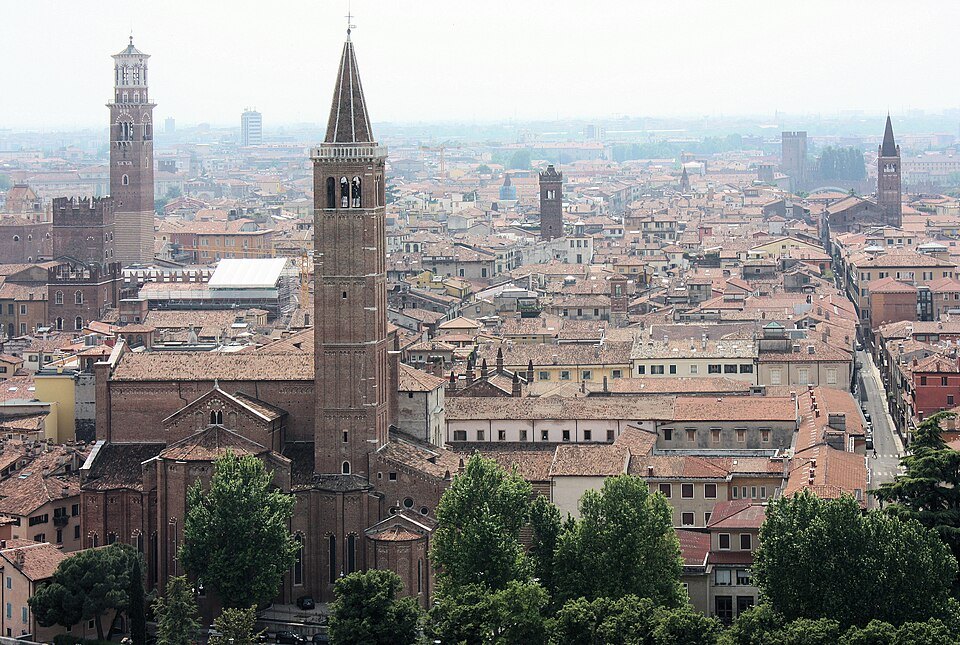
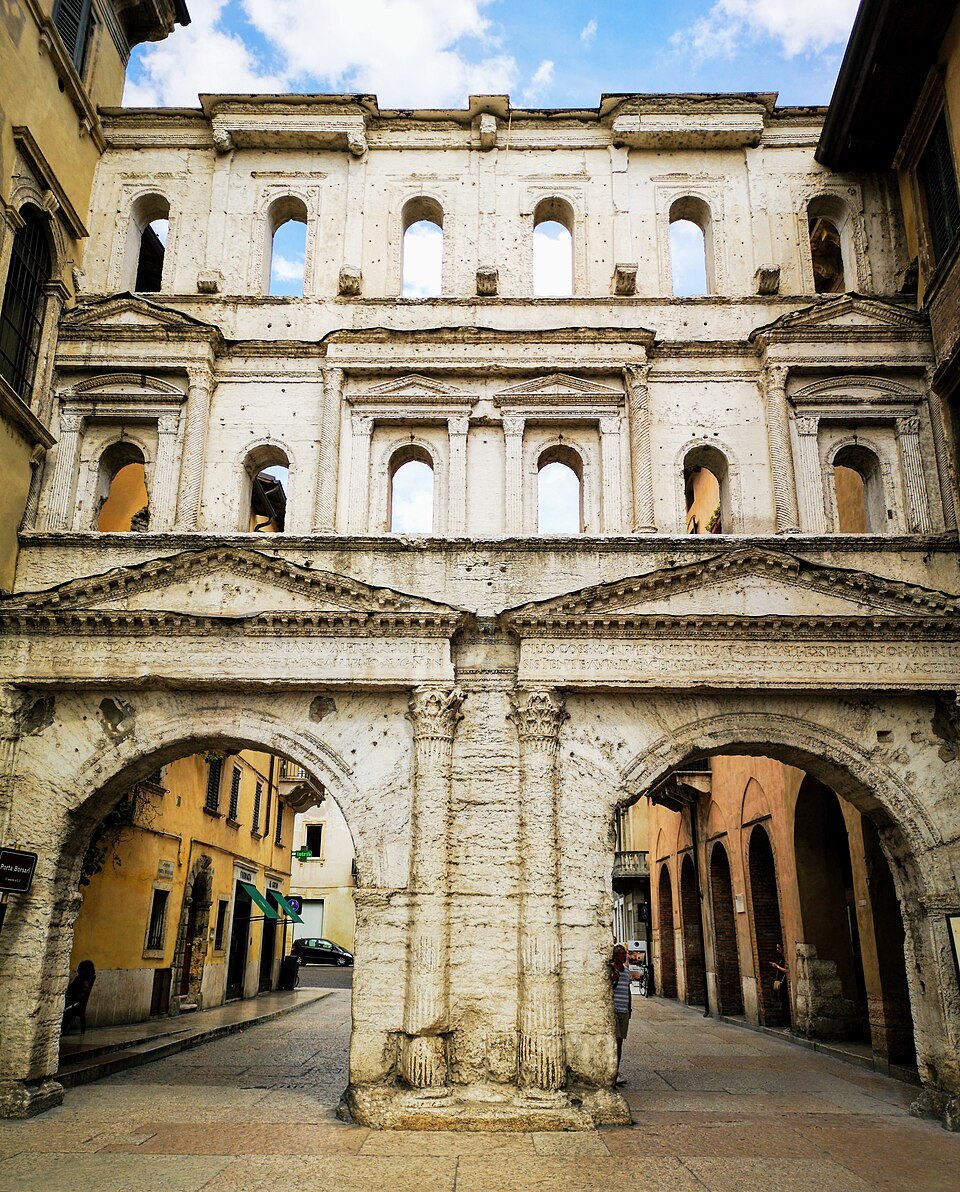
The same walk takes in the Casa di Giulietta, the Roman gate of Porta Borsari, the art collection of Palazzo Maffei, and the two great churches of Sant'Anastasia and the Duomo, the cathedral.
Across the river and to the west
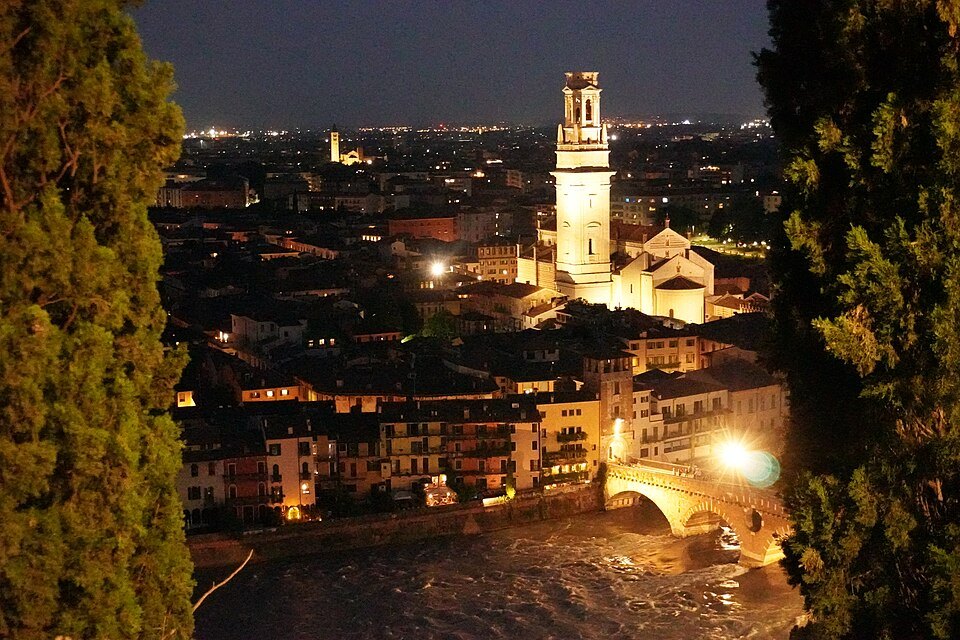
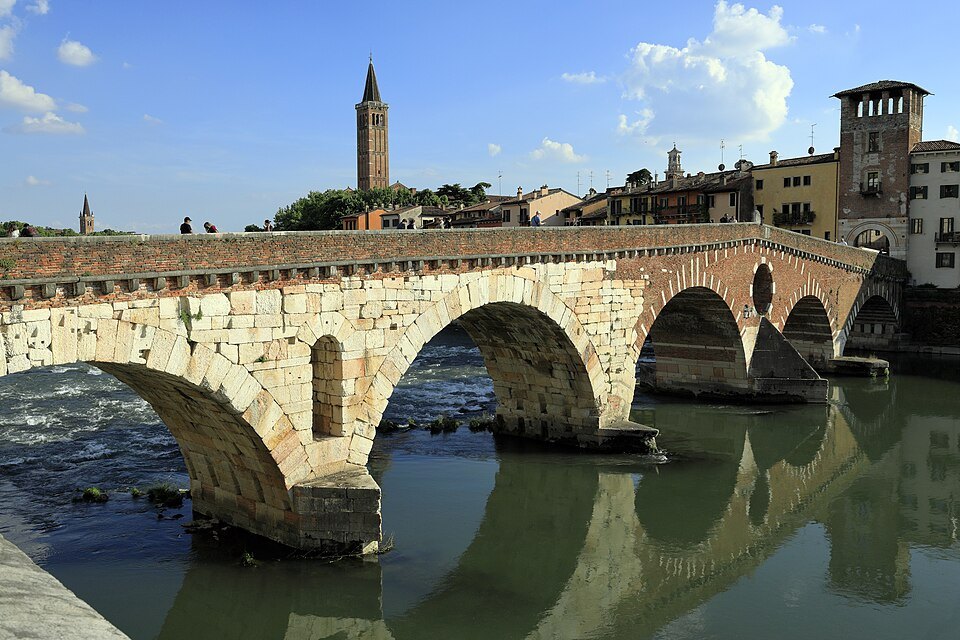
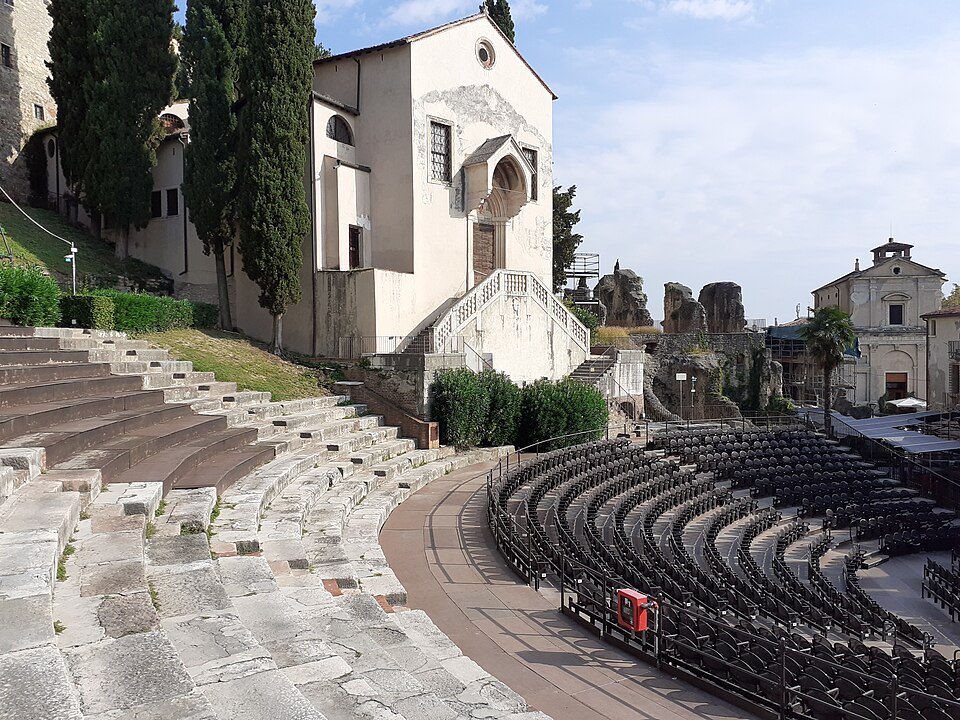
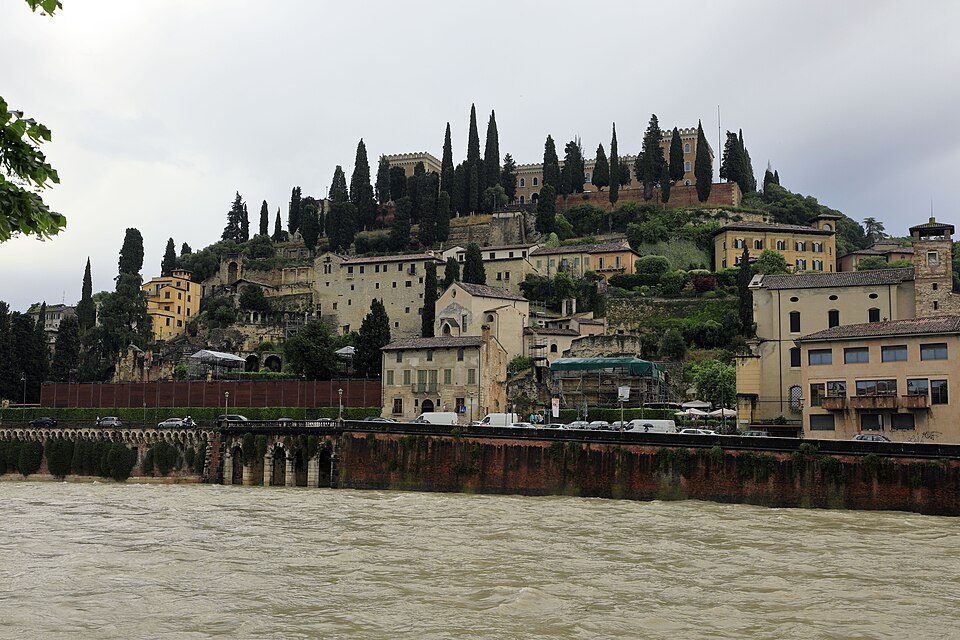
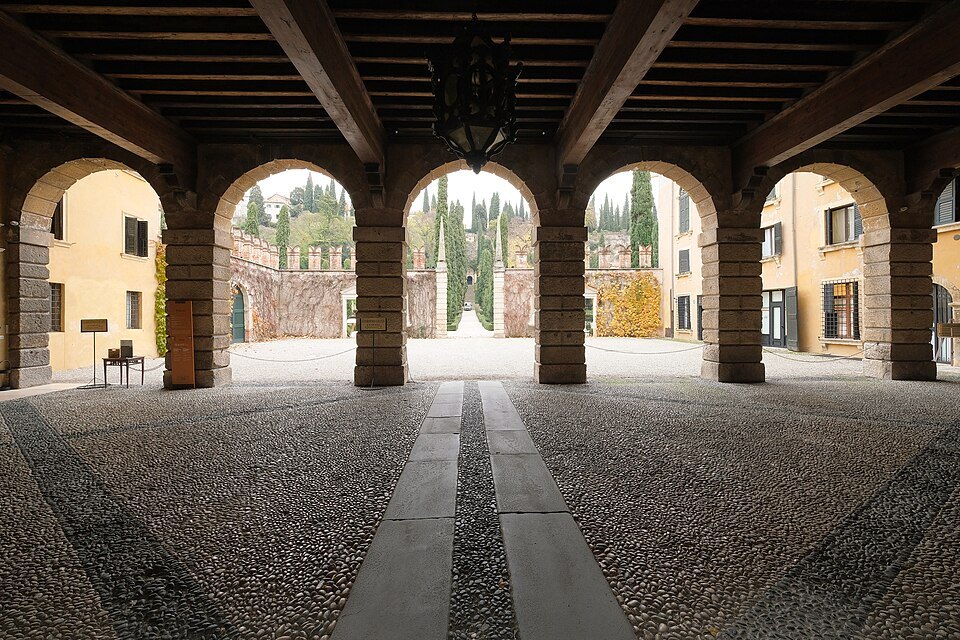
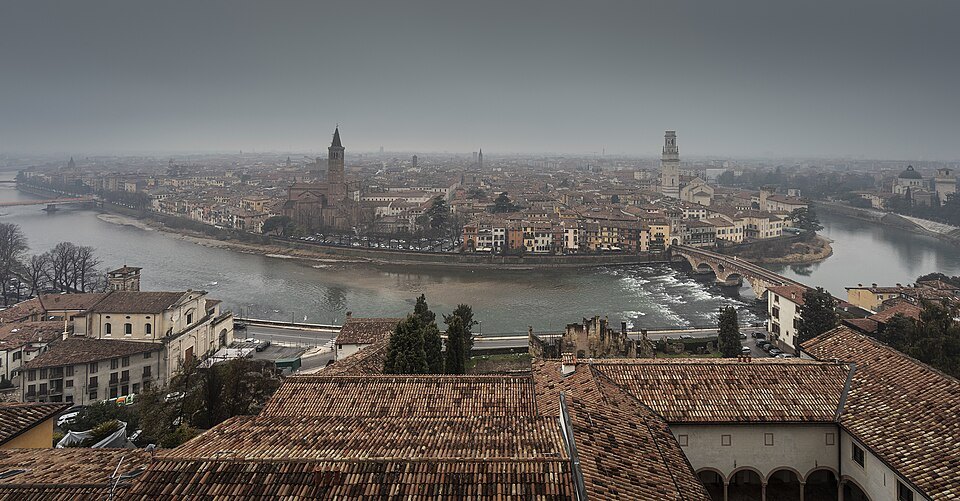
The third group lies over Ponte Pietra, the Roman bridge. On the far bank the Roman theater climbs the hillside, Castel San Pietro crowns the hill above it, and nearby on the same bank lies Giardino Giusti, a Renaissance garden of cypress avenues, a maze, a grotto and a belvedere.
Note This group involves climbing. The theater and the castle sit on a steep slope; an incline lift, rebuilt from an old funicular and opened in 2017, climbs about 55 meters from the riverside to the castle and saves the stairs. Wear shoes for uneven steps and allow more time than the map suggests.
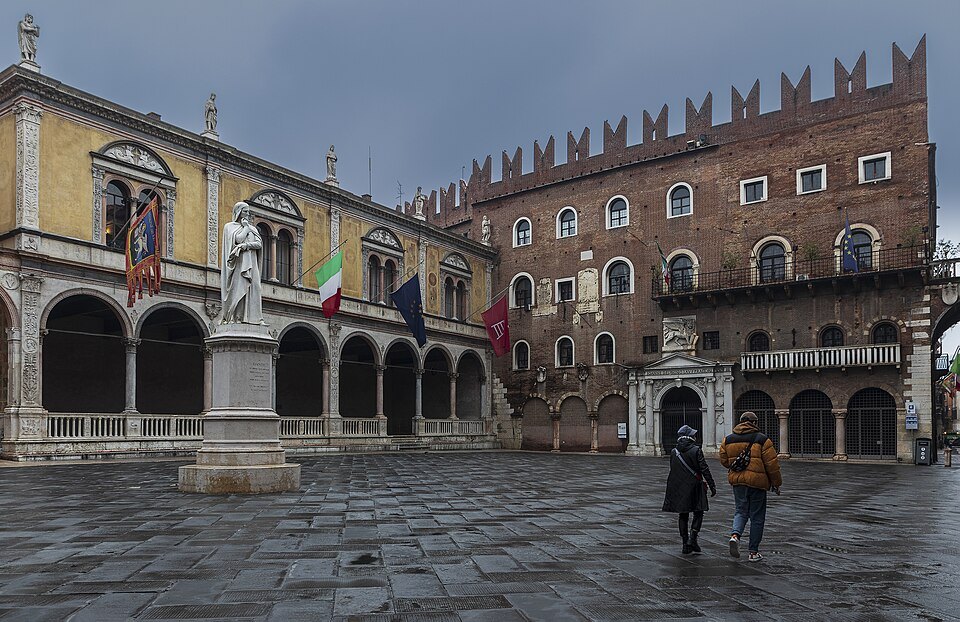
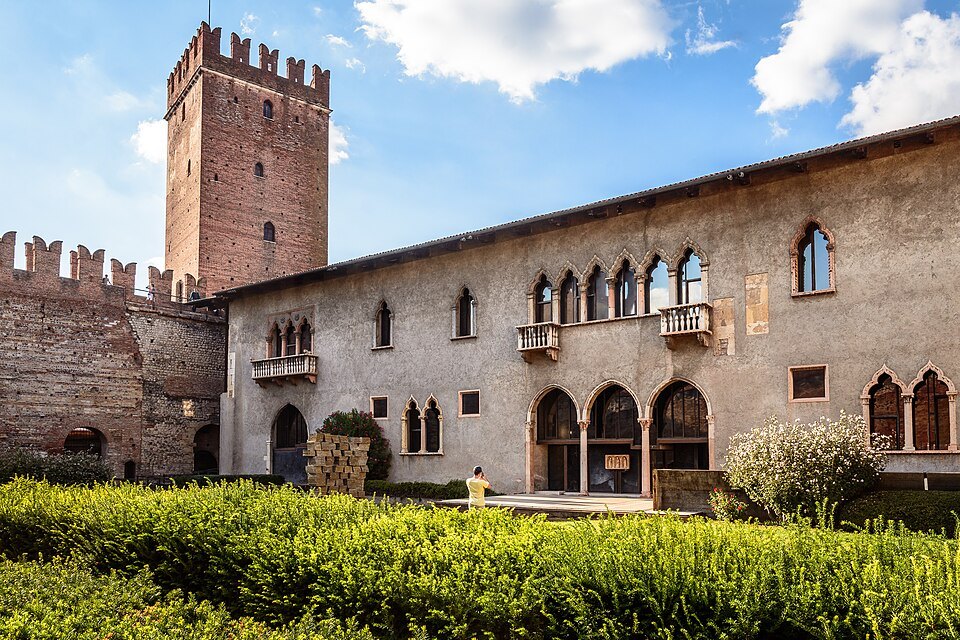
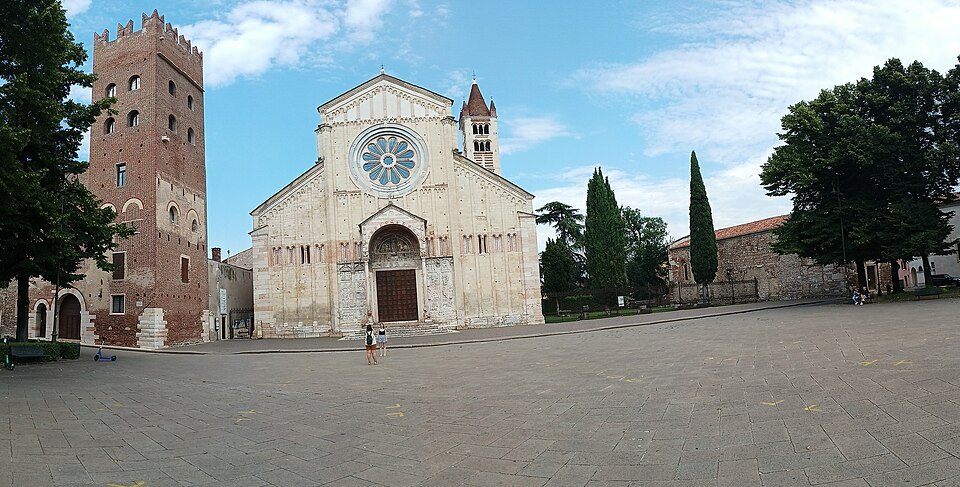
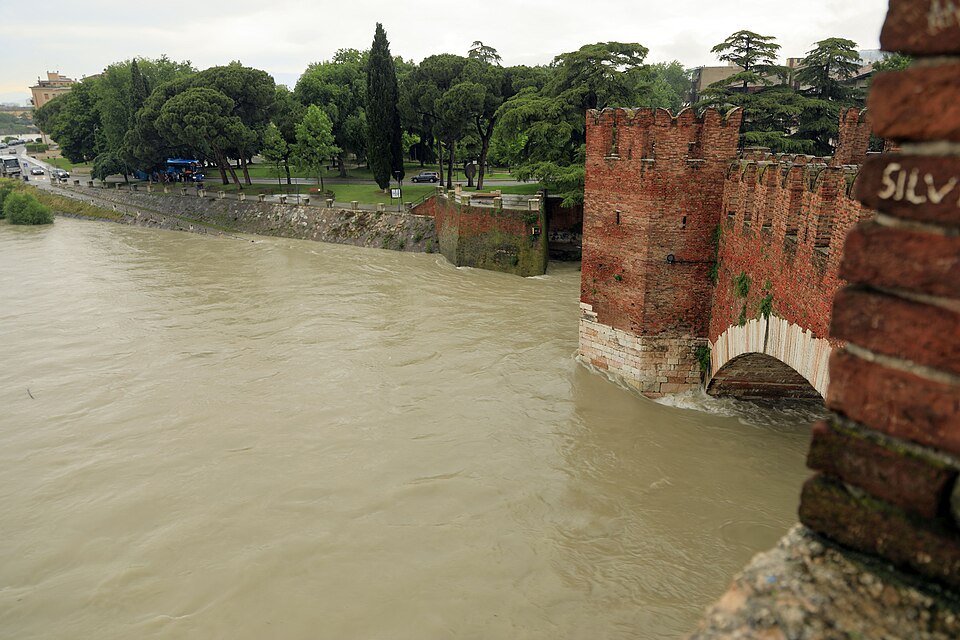
The fourth group runs west along the Adige. Castelvecchio, the fourteenth-century castle of the della Scala lords, holds the city's art museum in galleries remodeled by the architect Carlo Scarpa between 1959 and 1973. Farther west, San Zeno, rebuilt in the twelfth century over the tomb of the city's patron saint, is one of the great Romanesque churches of Italy.
Free squares, ticketed interiors
A good part of Verona costs nothing to see. Piazza Bra, Piazza delle Erbe and Piazza dei Signori are public squares, Porta Borsari and Ponte Pietra are crossed on foot, and the Arche Scaligere stand in a courtyard behind wrought-iron grilles that let passers-by see the tombs from the street. An unhurried walk through all of them fills a morning.
The ticketed sights are the interiors: the Arena, the Roman theater with its archaeological museum, Castelvecchio, the house and courtyard of Juliet, the Torre dei Lamberti, Palazzo Maffei, Giardino Giusti and the four historic churches. The city's museums close one day a week, and the Arena's visiting hours change on performance days, so check each site's calendar before fixing a day around it.
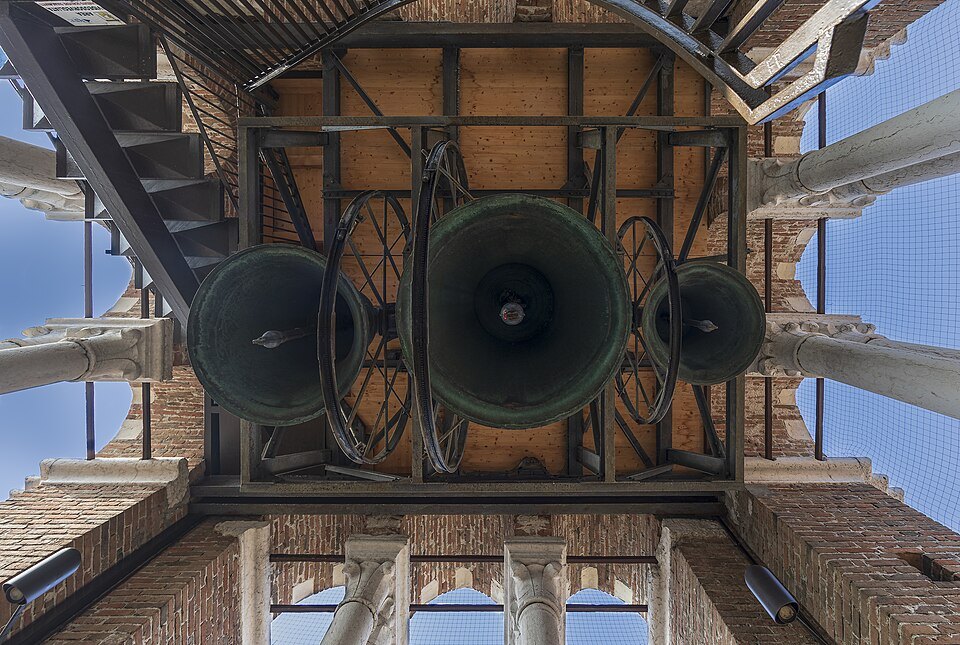
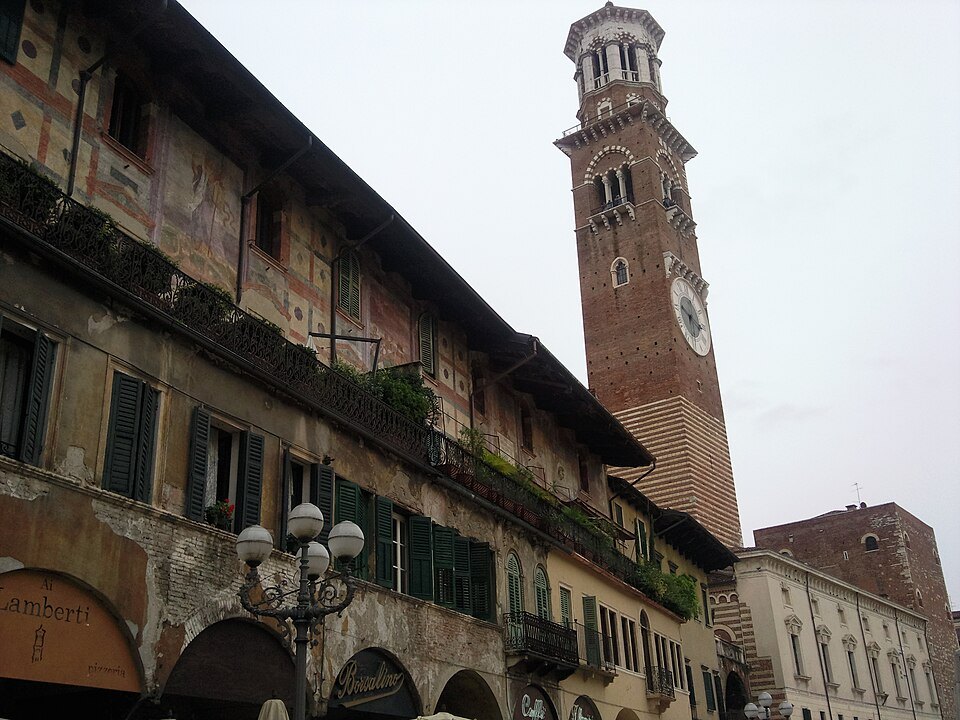
The Arena, the theater and Castelvecchio each deserve a real slice of time. The tombs and the gate take minutes. The Torre dei Lamberti, begun in 1172 and raised to 84 meters in the fifteenth century, has 368 steps and a paid lift to its terrace, so the climb can be as quick or as slow as legs allow. Mixing long and short visits keeps a day from turning into a queue.
The combined card
The city sells a combined pass, the VeronaCard, valid for 24 or 48 hours from its first use. It gives one entry to each of the main ticketed sights, from the Arena to Juliet's House, the Basilica of Sant'Anastasia and the archaeological museum at the Roman theater, and it also covers city buses for the same period.
Whether it pays depends on pace. The clock starts at the first museum entrance or bus ride, so a card works best when the ticketed sights are grouped into consecutive days rather than spread out. It is sold at the tourist office and online. Some sites still require an online reservation for a time slot even for cardholders, so a card is not a way to skip booking.
The list of included sites and the rules change from season to season, so check them on the official tourist board site before buying.
Churches with a single ticket
Four of the historic churches, San Zeno, the Duomo, Sant'Anastasia and San Fermo, are run for visitors by an association of the churches, and a ticket for them is bought at the first one visited. They are places of worship first. On the main weekly day of Mass and on religious holidays they open to visitors only in the afternoon, keeping the mornings for services.
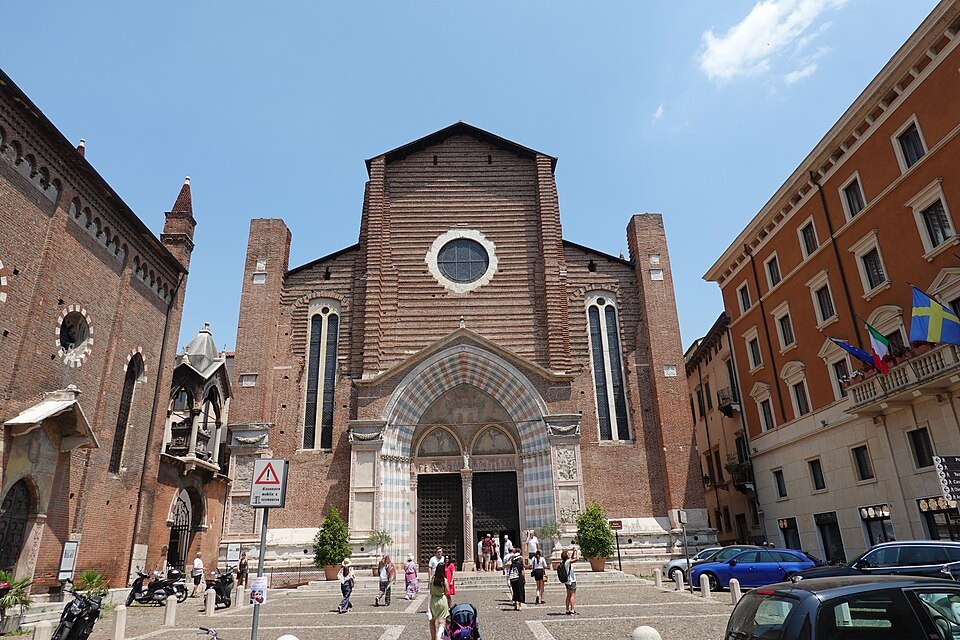
Each rewards a slow look. Sant'Anastasia is the city's largest church, begun by Dominican friars in the late thirteenth century, with frescoes by Pisanello and other painters. The Duomo was consecrated in 1187 and has a porch carved by the twelfth-century sculptor Nicholaus, who also signed the doorway of San Zeno. San Fermo cannot be reached by wheelchair because of steep stairs; the other three can.
What to book, and when crowds come
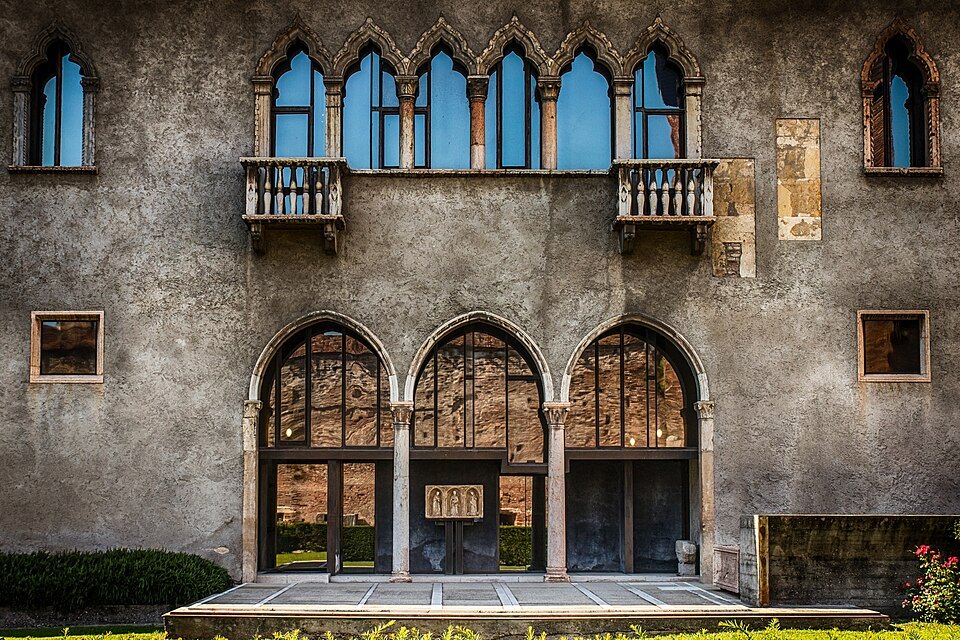
Juliet's House is the most visited monument in the city, and access to both the courtyard and the museum is by online booking, entered through the Teatro Nuovo, with no tickets sold on the spot. The link to Shakespeare is literary tradition: an inn sign of a hat on the medieval house was taken for the Capuleti family, and the balcony was assembled in the 1930s from old and new stone.
Summer brings the heaviest crowds, especially around the Arena on opera evenings, and fair weeks at the exhibition grounds fill the city too. Palazzo Maffei, a seventeenth-century palace on Piazza delle Erbe opened as a house-museum in 2020, shows a private collection that runs from ancient finds to works by Picasso and Magritte, and makes a useful indoor stop when the squares are packed.
A comfortable pace is one group of sights per half day. For ready-made plans that fit those rhythms together, see the itineraries; for timed tickets and reservations, see booking ahead.