Home · Eating & Drinking
Verona's cooking grew from farm kitchens: rice from the plain, boiled meats with a peppery bread sauce, a horse-meat stew, gnocchi, and wines from the surrounding hills.
- Risotto all'AmaroneVialone Nano rice from the lowland south of the city, cooked with Amarone wine; for a visitor, a restaurant dish.
- Lesso e pearàMixed boiled meats with pearà, a bread, marrow and black pepper sauce; a Sunday and Christmas meal at home, also served in restaurants.
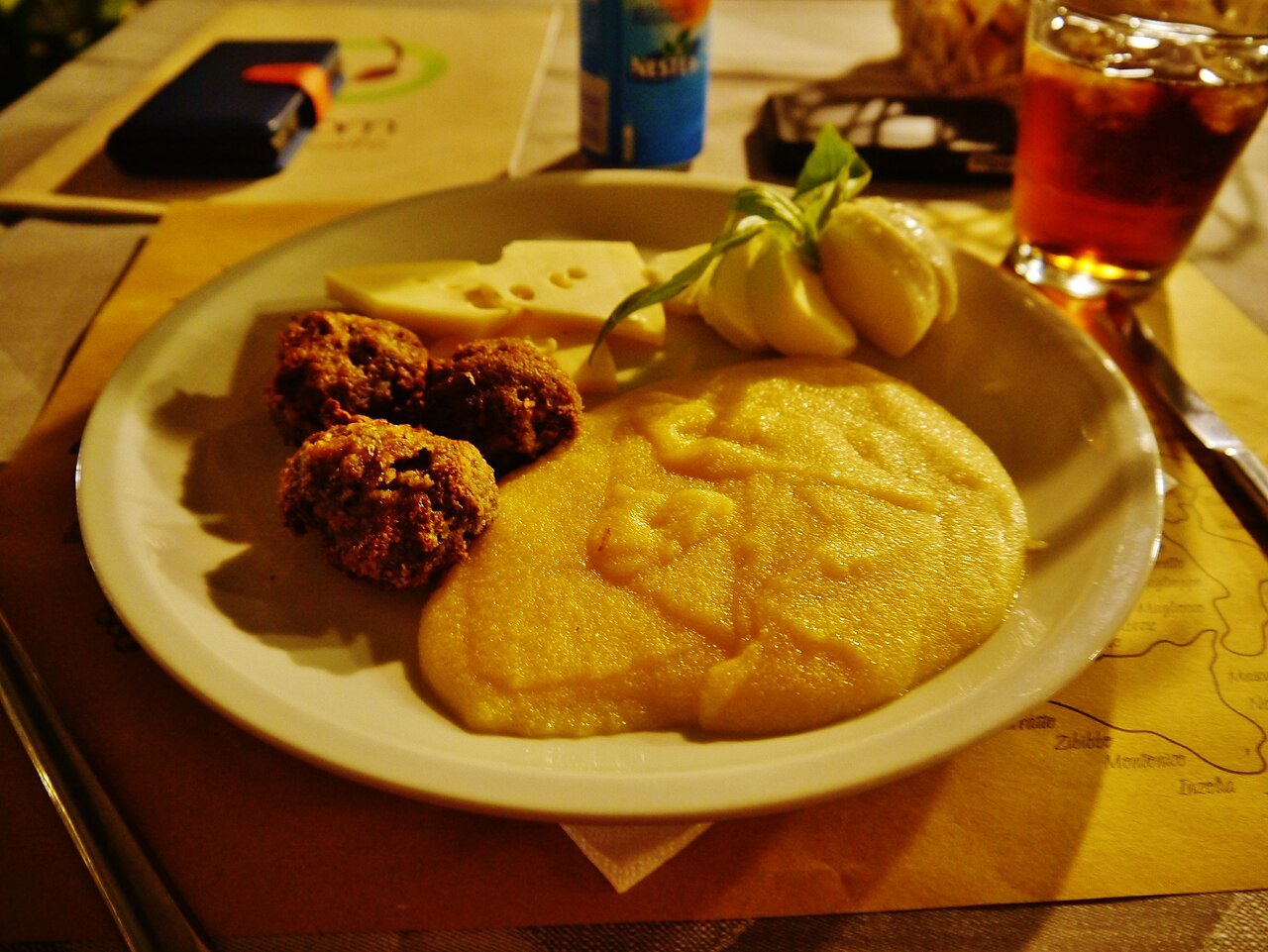
- Pastissada de cavalHorse meat marinated in red wine with spices and stewed slowly, served with polenta; plainly horse, and one of the city's traditional main courses.
- GnocchiPotato dumplings eaten all year, and by tradition on the Venerdì Gnocolar, the last Friday of Carnival.
- Tortellini di ValeggioVery thin knotted tortellini from Valeggio sul Mincio, with a meat filling, served in broth or with butter and sage.
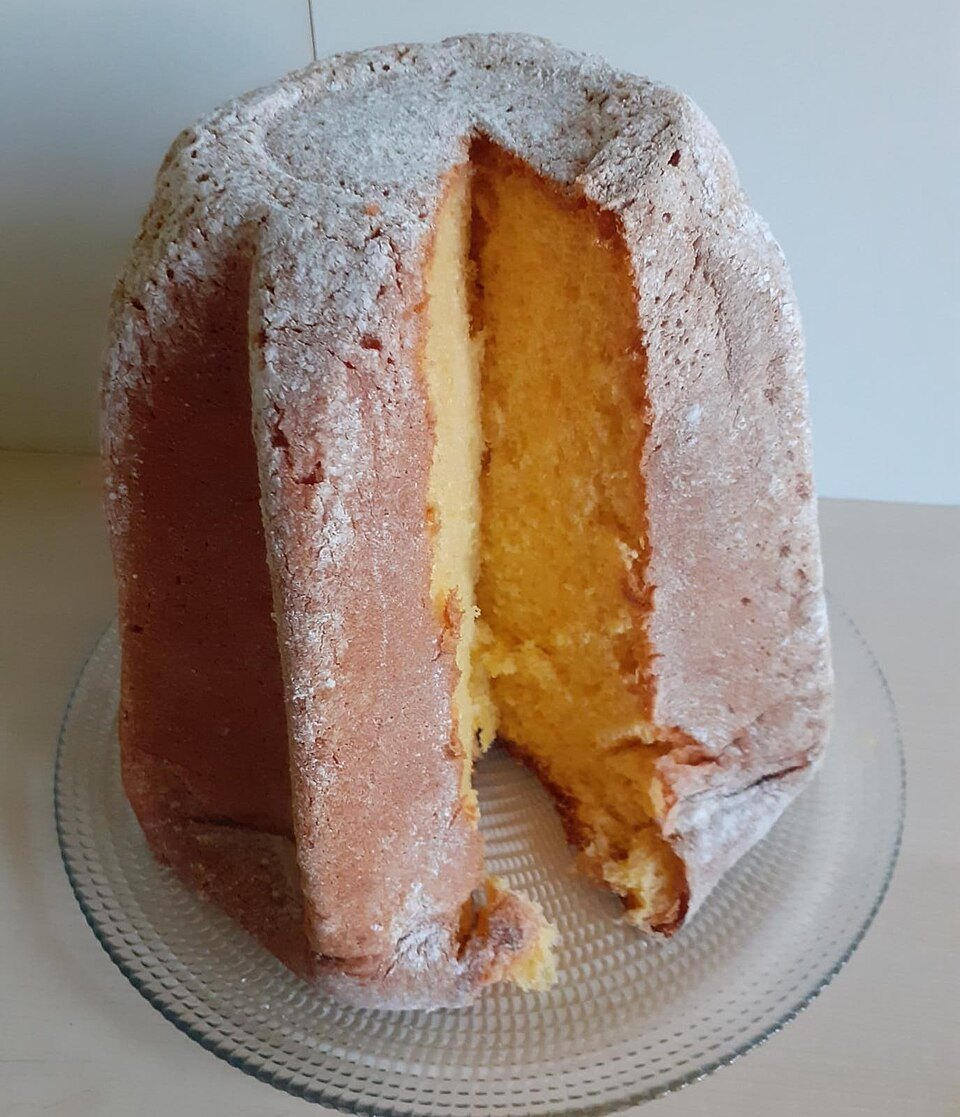
- PandoroThe star-shaped golden sweet bread patented by Domenico Melegatti in 1894; a Christmas-season cake.
- Monte VeroneseA cow's milk cheese from the mountain pastures north of the city, sold young and mild or aged and sharp.
- Amarone and ValpolicellaReds from the Valpolicella hills: light Valpolicella, Ripasso, and Amarone made from partly dried grapes.
- Soave, Bardolino and CustozaThe province's other wines: dry white Soave, light red and rosé Bardolino from near Lake Garda, and fresh white Custoza.
A kitchen of plain, hills and lake
Veronese cooking has humble, rural roots, and it draws on a province of very different landscapes. Rice comes from the flat lowlands south of the city, cheeses from the Lessinia uplands to the north, fish from Lake Garda to the west, and wine from the hills of Valpolicella and Soave. A traditional menu in the city moves across all of them.
Some of it will surprise visitors. Horse meat is part of the local tradition and appears on menus as a braise and as steak, and donkey turns up too, in a sauce for thick bigoli pasta and in long-cooked stews with polenta. Other dishes are simply comforting: rice with peas, pasta in broth, duck with bigoli, radicchio from the fields.
Many of the best-known dishes also follow the calendar. Some belong to Christmas, one to a single Friday of Carnival, others to Sunday lunch at home. The list below says which is which, so a visitor knows what to expect to find on a menu in any given month.
Rice from the plain
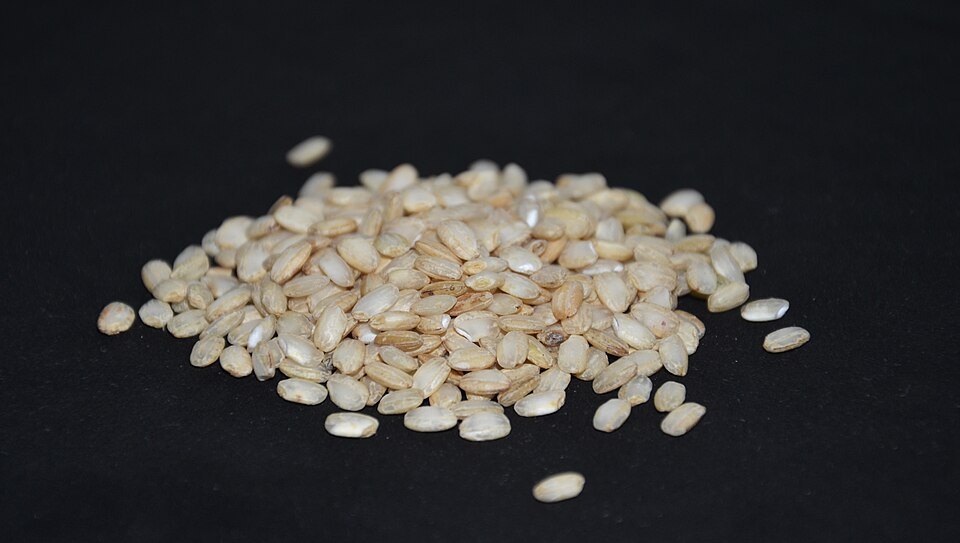
Verona is rice country as much as pasta country. Vialone Nano Veronese, a medium-grain rice with protected geographical status, is grown in two dozen villages of the lowland south of the city, in fields irrigated with water from natural springs. It is counted among the most prized varieties for risotto.
The dish that pairs it with the province's most famous wine is risotto all'Amarone, rice cooked with the dark red wine of the Valpolicella hills. It sits on local lists of first courses alongside risotto with radicchio, risotto with leeks and riso alla pilota.
Other rice dishes on the same local lists include risi e bisi, rice with peas, and risotto with chicken livers. For a visitor they are restaurant dishes, and the rice itself, sold dried, is an easy food to carry home.
Boiled meats and a peppery sauce
The dish most Veronese would call their own is lesso e pearà: mixed boiled meats served with pearà, a sauce whose dialect name means peppered. It is made from breadcrumbs cooked slowly in beef and hen broth with beef marrow and plenty of black pepper. Pearà is served only with boiled meats, and the pairing is unique to Verona and its surroundings.
At home it is a Sunday and Christmas meal, often preceded by pasta or tortellini in the broth the meats were cooked in. Typical cuts include tongue, beef and a whole hen or capon. The city has registered the sauce under its own municipal designation. A legend credits its invention to the cook of the Lombard king Alboin, who ruled from Verona in the sixth century.
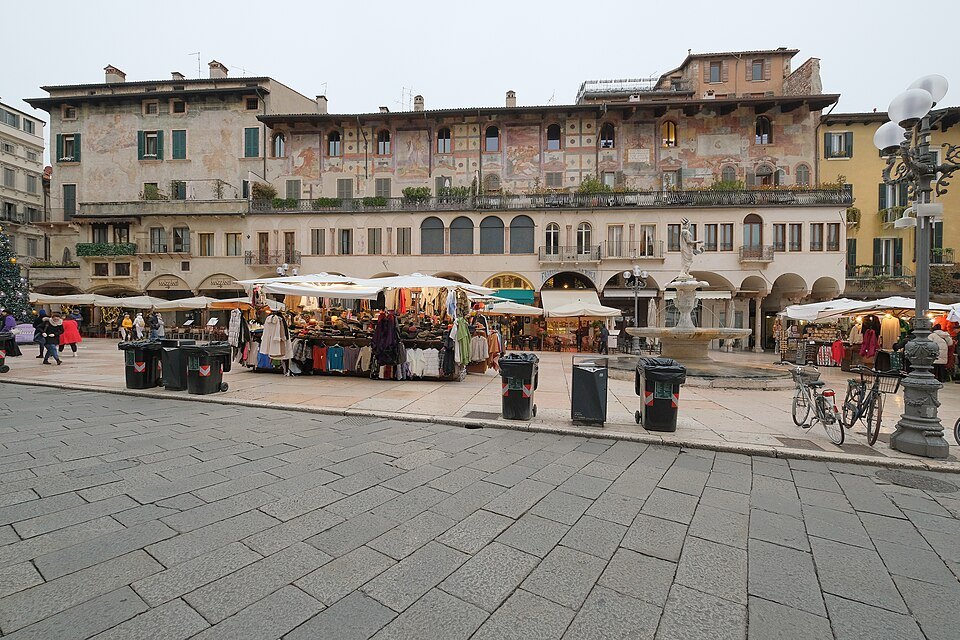
Pastissada de caval is horse meat, marinated in red wine with vegetables and spices and stewed slowly until soft, then served with polenta. Local legend ties it to the horses killed in battles fought at the gates of the city in late antiquity, though the versions disagree about which battle.
Gnocchi Friday and Valeggio's knots
Potato gnocchi are an everyday dish, but in Verona they also have a holiday. Tradition holds that in 1531, after floods and war left the city hungry and a crowd in the San Zeno district stormed the bakeries, the physician Tommaso da Vico paid for bread, wine, butter, flour and cheese to be handed out to the poor on the last Friday of Carnival.
That day is still the Venerdì Gnocolar, gnocchi Friday, and families eat gnocchi on it. Historians point out that da Vico's surviving will makes no mention of the bequest, but the story lives on in the carnival's figurehead, the Papà del Gnoco, and in the stone table in the square of San Zeno where food was once handed out.
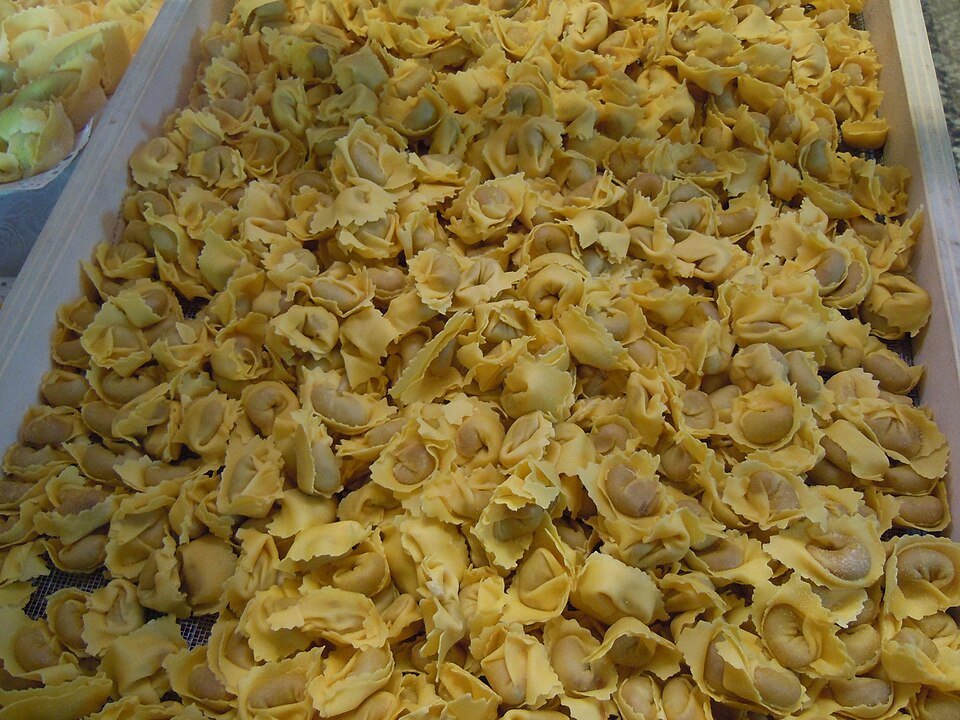
From Valeggio sul Mincio, in the province, come the tortellini di Valeggio, also called love knots: squares of very thin egg pasta around a filling of beef, pork and chicken cooked with Bardolino wine, served in broth or with butter and sage. A romantic legend of a soldier and a river nymph explains the knot, and each June a dinner for thousands is laid on long tables along the Visconti bridge at Borghetto in their honor.
Pandoro and a mountain cheese
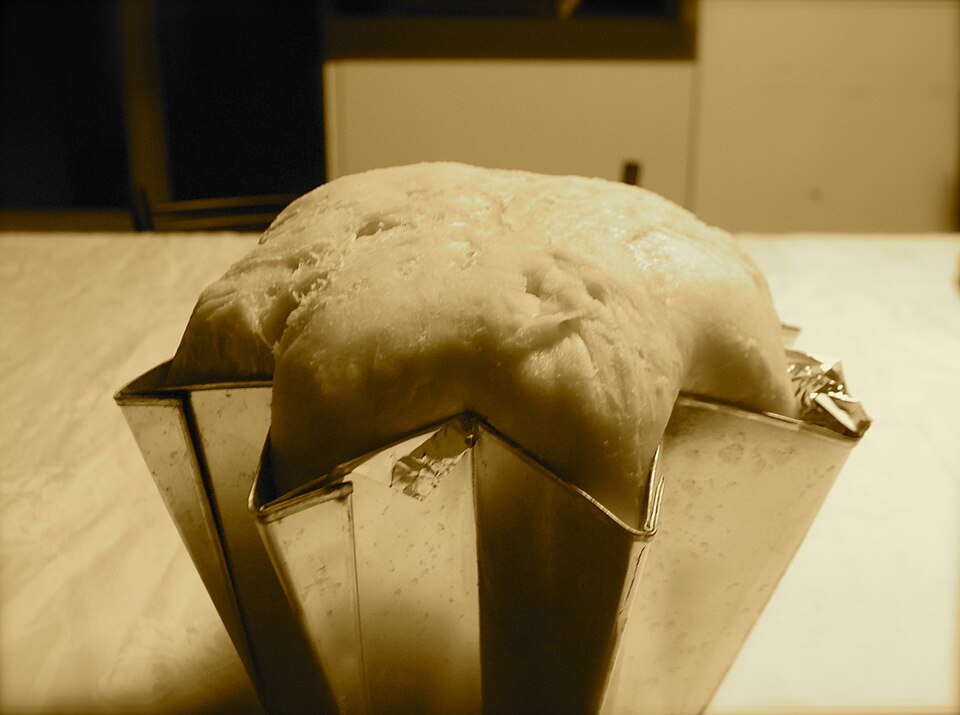
Pandoro, the tall golden Christmas bread shaped like an eight-pointed star, is Verona's gift to the Italian festive table. In October 1894 the Veronese confectioner Domenico Melegatti patented a way of making it, reworking an older local cake called levà; sources differ on the exact day. It is dusted with vanilla-scented icing sugar meant to recall snowy peaks.
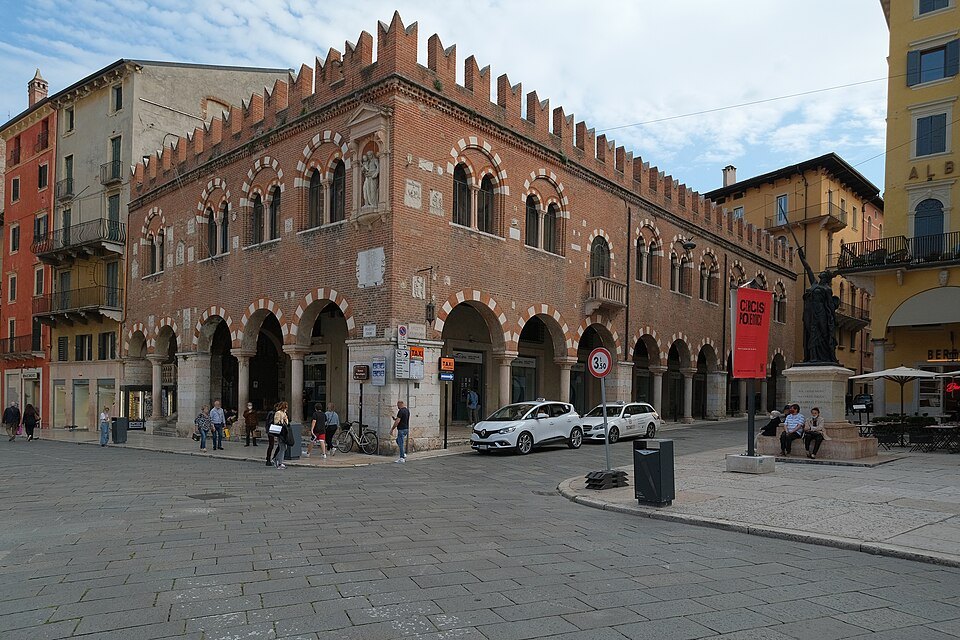
Unlike panettone, traditional pandoro has no filling, candied fruit or raisins. The star-shaped mold is credited to the Veronese painter Angelo Dall'Oca Bianca, and together with panettone it is one of the two most eaten Christmas cakes in Italy.
Monte Veronese is a cow's milk cheese from the mountain pastures in the north of the province. It comes young, made with whole milk and aged from 25 days to two months, with a sweet flavor; or as the harder d'allevo, from semi-skimmed milk aged for months and grated when old. It has had European protected designation since 1996.
The province's wines
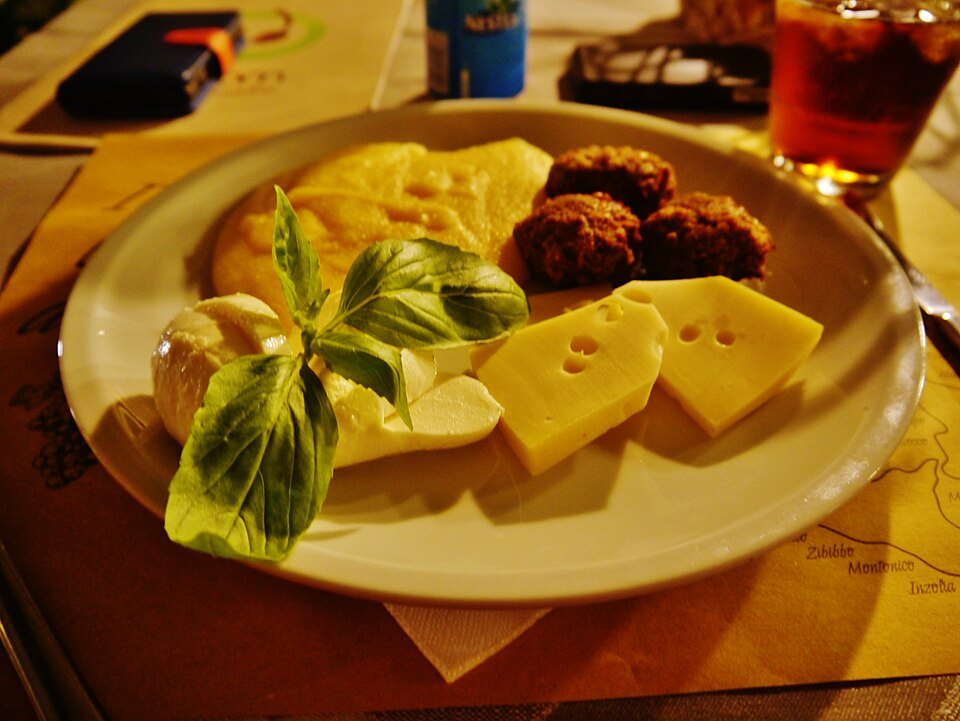
The hills of Valpolicella, north of the Adige, make the city's signature reds from Corvina and related grapes. Light Valpolicella is often served slightly cool. Amarone is made from grapes left to dry after the harvest before pressing, which concentrates sugar and flavor; its name, roughly the great bitter one, distinguished it from the sweet Recioto made the same way. Ripasso is Valpolicella refermented on Amarone skins.
Soave, east of the city, is a dry white made mainly from the Garganega grape, and in 1931 it was among the first Italian wine zones recognized by royal decree. Bardolino, from the moraine hills on the eastern shore of Lake Garda, is a lighter red from similar grapes to Valpolicella, and it also comes as a rosé called Chiaretto.
Custoza, formerly Bianco di Custoza, is a fresh white from the moraine hills between the city and the southern end of the lake, suggested locally as an aperitif. All of these can be visited at their source; see day trips.
Osterie and the aperitivo
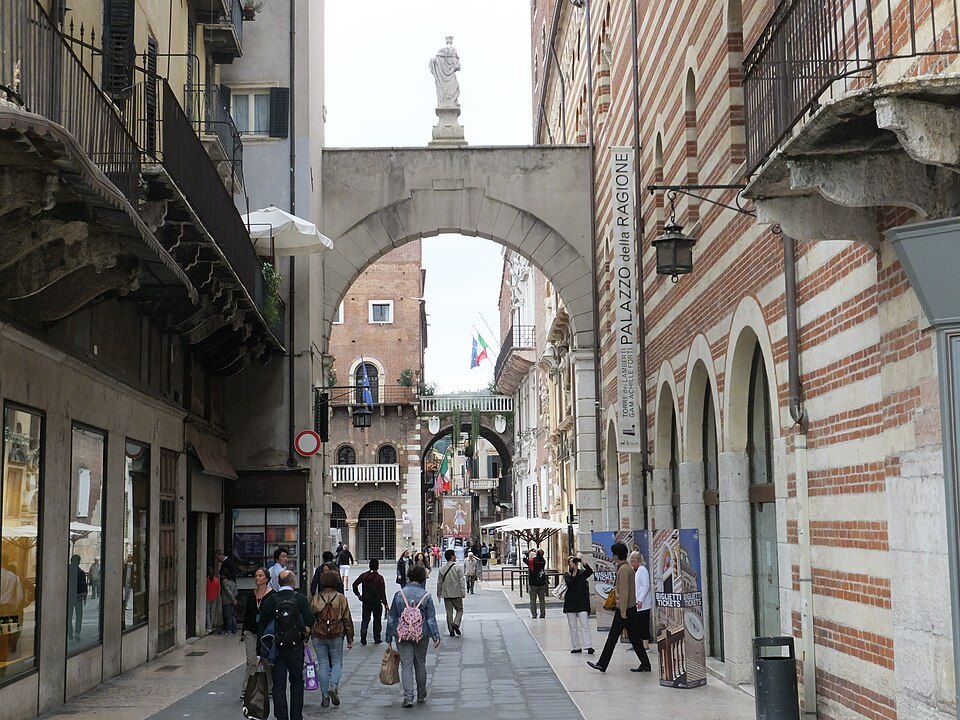
The osteria began in Italy as a place serving wine and simple food. The emphasis has shifted towards cooking, but menus tend to stay short, built on local dishes, sometimes at shared tables. For boiled meats with pearà, pastissada or bigoli, an osteria menu is the natural place to look.
Before dinner comes the aperitivo, a drink with something to nibble. The spritz is a Veneto invention: under Habsburg rule in the nineteenth century, Austrian soldiers and officials found the local wine strong and asked for a splash of water, from the German spritzen. The modern version, with prosecco, a bitter liqueur and soda, was fixed only in the 1970s.
Note Pearà, pastissada and risotto all'Amarone are mostly restaurant dishes for a visitor, pandoro belongs to Christmas, and gnocchi Friday comes once a year. For how the seasons shape a trip, see when to come.