Home · Booking Ahead
Only a handful of things in Verona need a date fixed in advance, chiefly an opera night at the Arena and a timed slot at Juliet's House; most of the city needs nothing at all.
- BookFix a date first
- Arena opera festivalEvery seat is numbered and sold for a dated performance, so choose the night and sector well ahead through official channels.
- Juliet's HouseEntry is through the Teatro Nuovo with timed tickets sold only online, and Verona Card holders must book too.
- PlanCheck the day
- Torre dei LambertiTickets are sold at the foot of the tower, but reservations by email or phone are strongly encouraged.
- Verona CardA twenty-four or forty-eight hour pass that starts at first use, so count the sights before buying.
- The four historic churchesA combined ticket needs no booking, but visits pause during services, so check the day's timetable.
- No needJust go
- Giardino GiustiIndividual visitors buy tickets at the garden's ticket office or online; only large groups arrange ahead.
- Piazza delle Erbe and Piazza dei SignoriOpen public squares in the heart of the old town, free to walk through at any time.
- Ponte Pietra and the river walkThe Roman bridge and the riverbanks are public space and need no ticket.
- Castel San Pietro terraceThe terrace view is free; only the funicular ride up has a fare.
Three levels of planning
Verona is easier than its fame suggests. The squares, bridges, riverbanks and most viewpoints are public space and cost nothing but time. A second group of sights sells tickets on the day, where the only planning is checking opening times and religious services. A small third group runs on dated or timed tickets, and those are the ones worth sorting out before the trip.
This page takes them in that order of urgency: the opera festival at the Arena, the timed entry at Juliet's House, the Torre dei Lamberti, the Verona Card, the churches and the Giusti garden, and finally the long list of places that need no ticket at all. Opening times and prices change, so the official sites named below are the place to confirm them.
Some links on this page are affiliate links. If you book through one we may earn a commission, at no extra cost to you. It does not affect what is recommended here, and no sight page on this site carries one.
Tickets and bookings arrive by email and app — mobile data from the moment you land keeps them to hand.
An opera night at the Arena
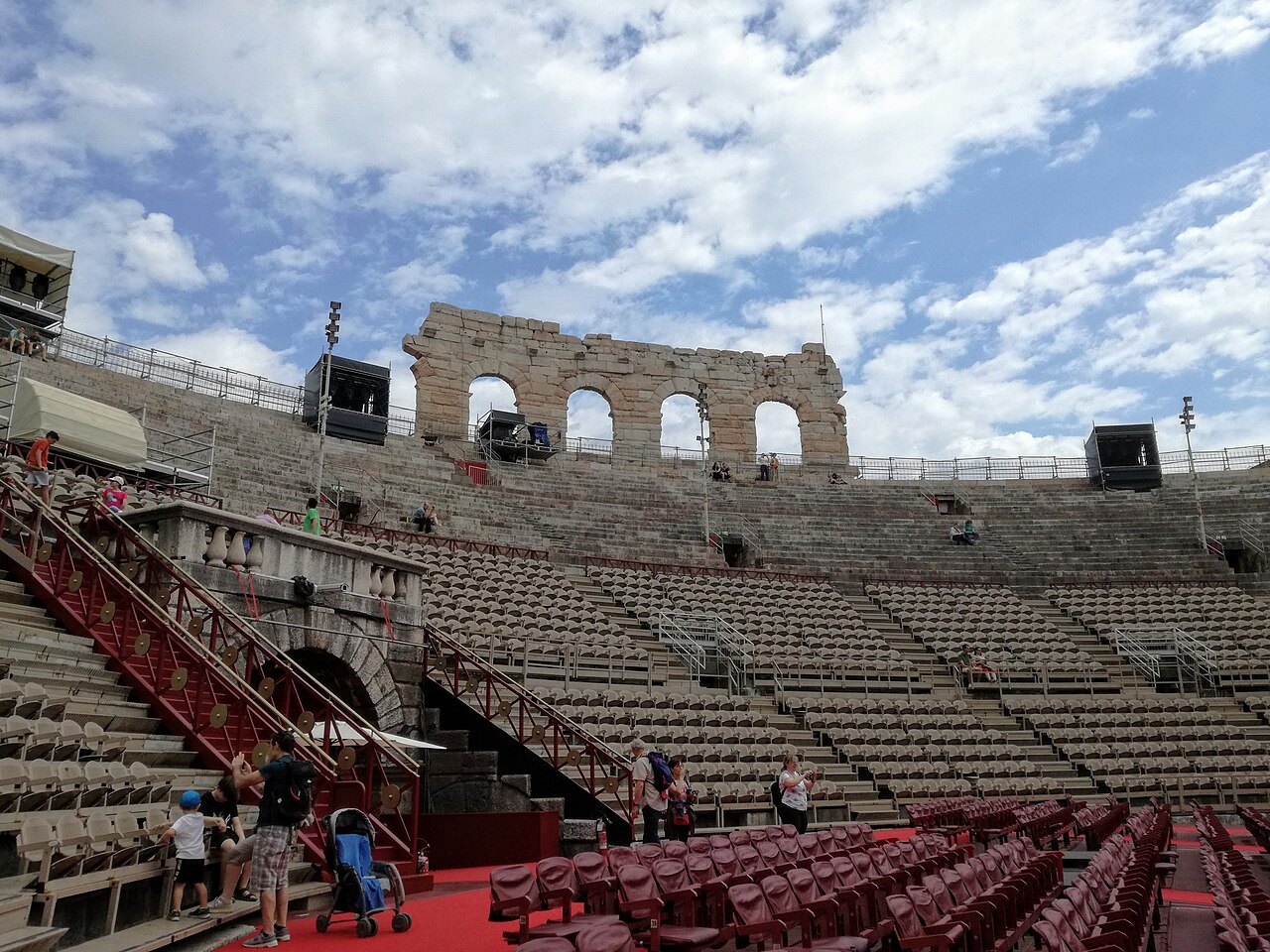
The summer opera festival in the Roman amphitheater is the one thing that sells by date and by seat. Every ticket is for a specific performance, and the festival's own seating plan numbers every place, from the stalls on the arena floor with upholstered seats, through tiered sections with backrests, to the stone steps of the ancient seating, where a numbered place on the stone comes with no chair. Cushions are sold inside for the steps.
Tickets are sold on the festival's online shop, where the seat map shows what is left for each date and the ticket arrives as a PDF by email; by phone through the festival's call center; at the box offices beside the Arena; and through authorized resellers. The festival warns explicitly against secondary ticket sites, which it says may sell invalid tickets at inflated prices, and holders of unauthorized tickets can be refused entry.
Entrances are split by even and odd seat numbers, so read the gate on the ticket before joining a queue. For the whole evening, from picking a night to leaving after the last act, see the opera season.
Juliet's House
The Casa di Giulietta is tied to Shakespeare's play by literary tradition, not by any record. The city runs entry through a strict booking system. Since April 2026 the entrance is through the Teatro Nuovo in Piazzetta Navona, where an exhibition on the history and myth of the lovers opens the route.
Note Tickets are sold only online, on the city museums' official ticketing site, and there is no ticket office on site. Each ticket carries a time slot, and there are two routes: the theater and the courtyard, or the theater, courtyard and house together. Booking is mandatory even for visitors who enter free, including Verona Card holders, who show the card or an identity document at the entrance.
The visit runs one way and ends at the archway on Via Cappello. Performances at the Teatro Nuovo can remove some time slots, so check availability before settling on a day. More on the house itself is on Juliet's House.
The Torre dei Lamberti
The medieval tower that rises between Piazza delle Erbe and Piazza dei Signori can be climbed by stairs or reached mostly by lift. The tower's own ticket office is at the foot of it, and the managers strongly encourage reservations, which are made by email or phone; the city's tourism site singles the tower out as the place where booking is most advisable.
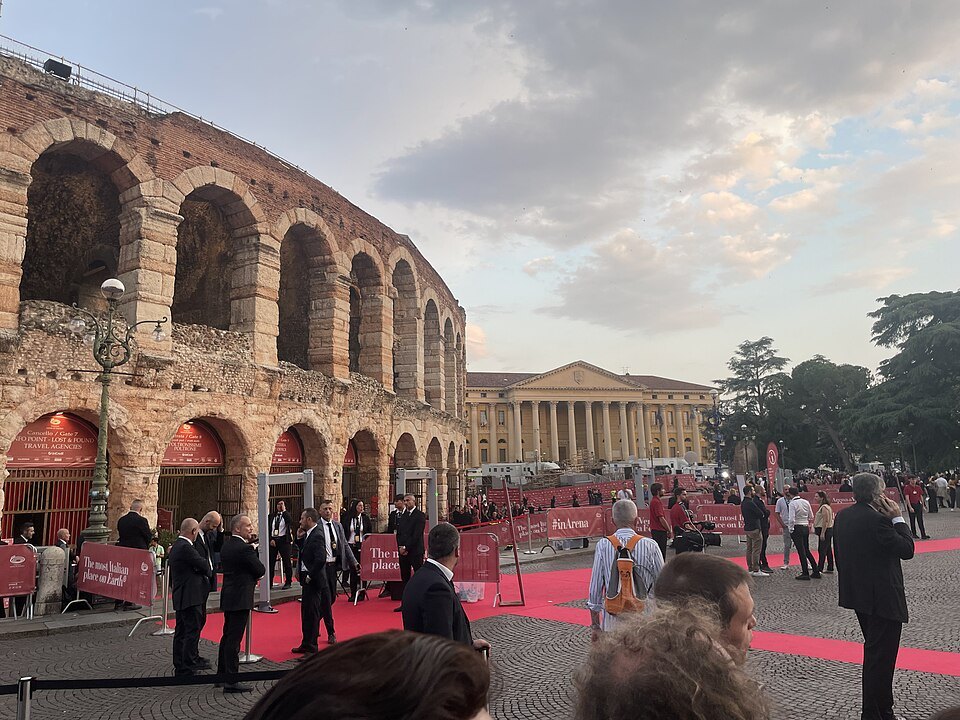
Verona Card holders enter free if they climb the stairs, while the lift needs a standard ticket even with the card. Disabled visitors and their companions enter free and can use the lift. The ticket office stops selling a little before closing, so arriving late in the day is a gamble. More on the climb is on the Torre dei Lamberti.
The Verona Card
The Verona Card is the city's own sightseeing pass, valid for either twenty-four or forty-eight hours from its first use. It gives free entry to the Arena, the Castelvecchio Museum, Juliet's House, the archaeological museum at the Roman Theater, the four historic churches, the Torre dei Lamberti by the stairs, the Arche Scaligere and several other civic museums, and it covers city buses too, provided it is validated on each ride.
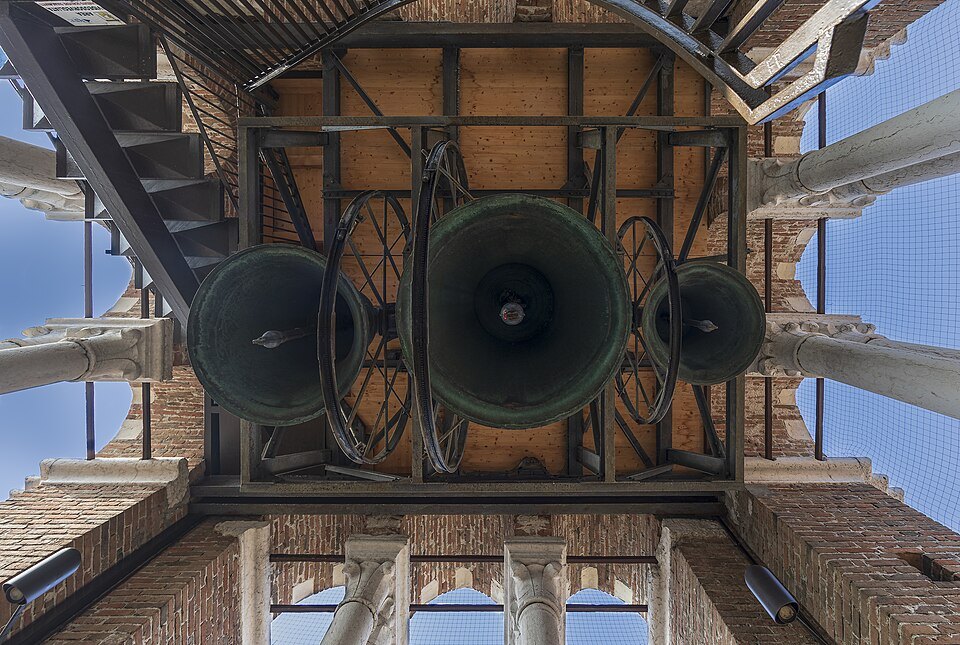
It is sold through its official app, at the tourist information office in Via Leoncino, at the museums and churches it covers, and at the station. At the Arena it gives priority access at a dedicated gate, but it does not skip queues elsewhere, and it does not replace the mandatory timed booking at Juliet's House. It also brings reductions on some other tickets, including the opera festival. Whether it pays depends on how many sights fit into the window, so count them before buying; the sights page helps with pacing.
Churches and the Giusti garden
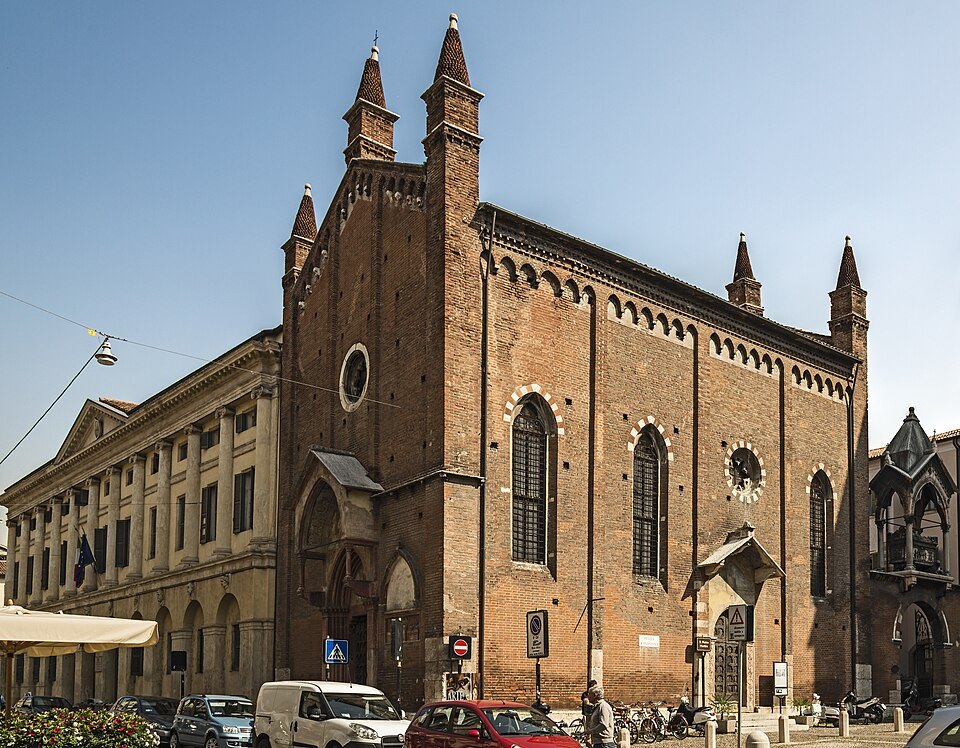
The four great historic churches, San Zeno, the Duomo complex, Sant'Anastasia and San Fermo, are run as a circuit by a church association. A combined ticket covers all four, single tickets are sold too, and no reservation is needed: tickets can be bought at the first church visited. Visits are suspended during religious services, so check the circuit's site for the day's timetable and any special closures.
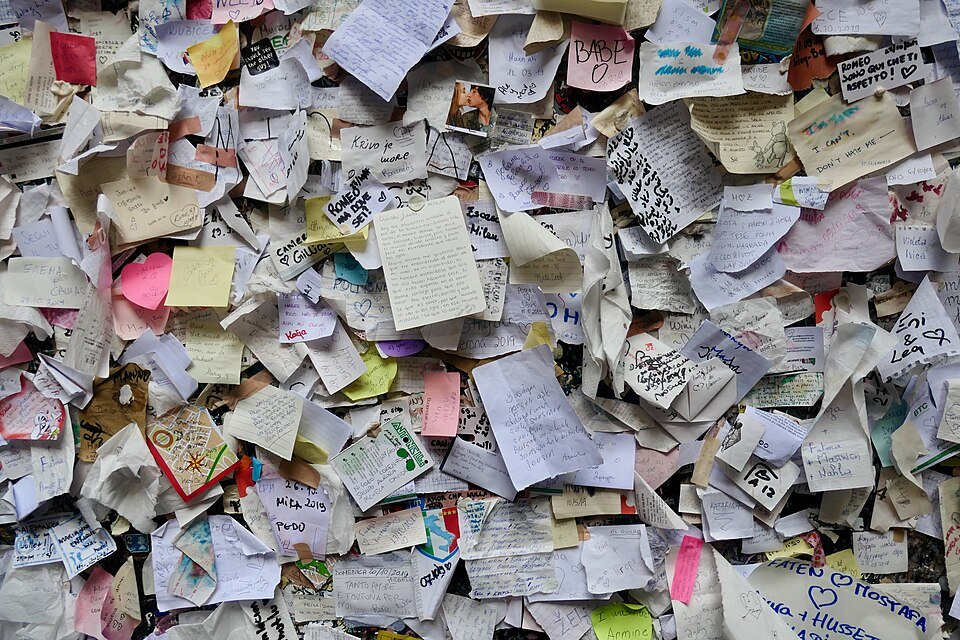
Access varies between the four. The association lists the Duomo complex and Sant'Anastasia as fully accessible to wheelchairs, San Zeno as partly accessible, and San Fermo as reached by steps.
Individual visitors to Giardino Giusti do not need to book either. Tickets are sold at the garden's own ticket office and online; only groups of more than ten are asked to arrange their visit by email in advance. A combined ticket with Palazzo Maffei is also offered.
What needs nothing
Much of the best of Verona needs no ticket and no plan: Piazza delle Erbe, Piazza dei Signori, the walk along the river, the crossing of Ponte Pietra, and the terrace in front of Castel San Pietro, where the funicular up has its own fare but the view itself costs nothing.
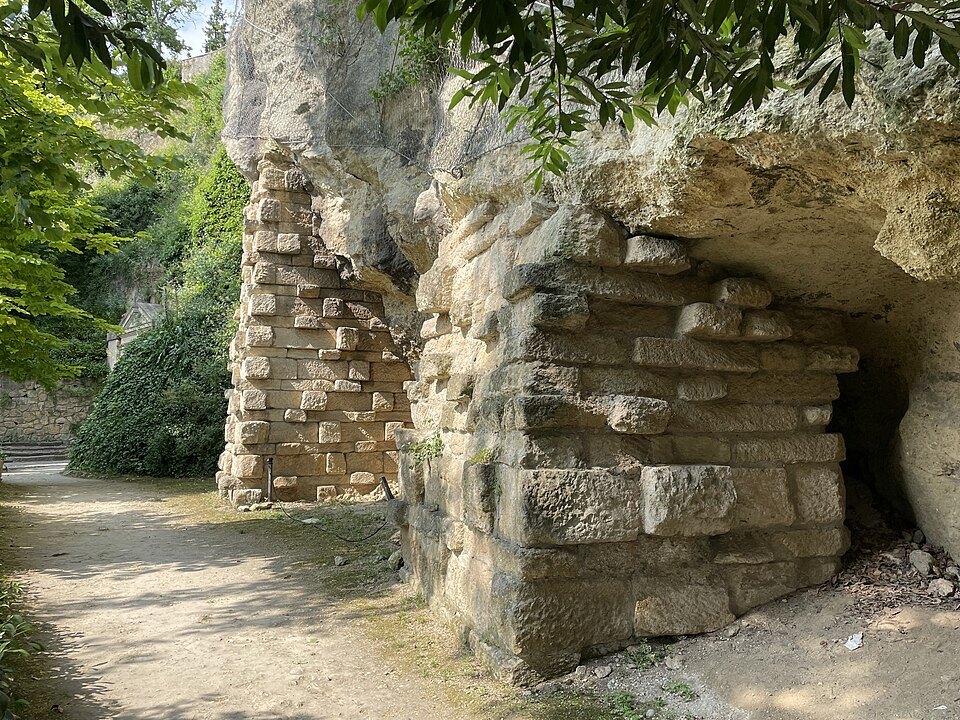
Those free places are the natural fillers around the fixed points. Put the opera night and the Juliet's House slot in the calendar first, check the church timetable on the day, and let the rest of the city fill the hours in between.